Seattle, Washington pigeon-control property-planning and provider-match request page. WD Pigeon Solutions does not claim a local office, provider, project, price, response time, or result in this city.
Pigeon Control in Seattle, Washington — Humane Bird Removal & Prevention
Property-specific pigeon-control planning and provider-match requests for Seattle. This page does not guarantee coverage, credentials, price, timing, or results.
Document the PropertyCompare MethodsRequire Written TermsProvider verification checklist
This page describes a provider-matching option, not a local WD Pigeon Solutions office. Provider availability, credentials, pricing, response time, warranties, and legal requirements must be confirmed for the specific property before work begins.
Reference population
684,451
Urban context
Large city market
Place classification
Regional administrative center
Geographic reference
47.6062° N, 122.3321° W
What an assessment should check
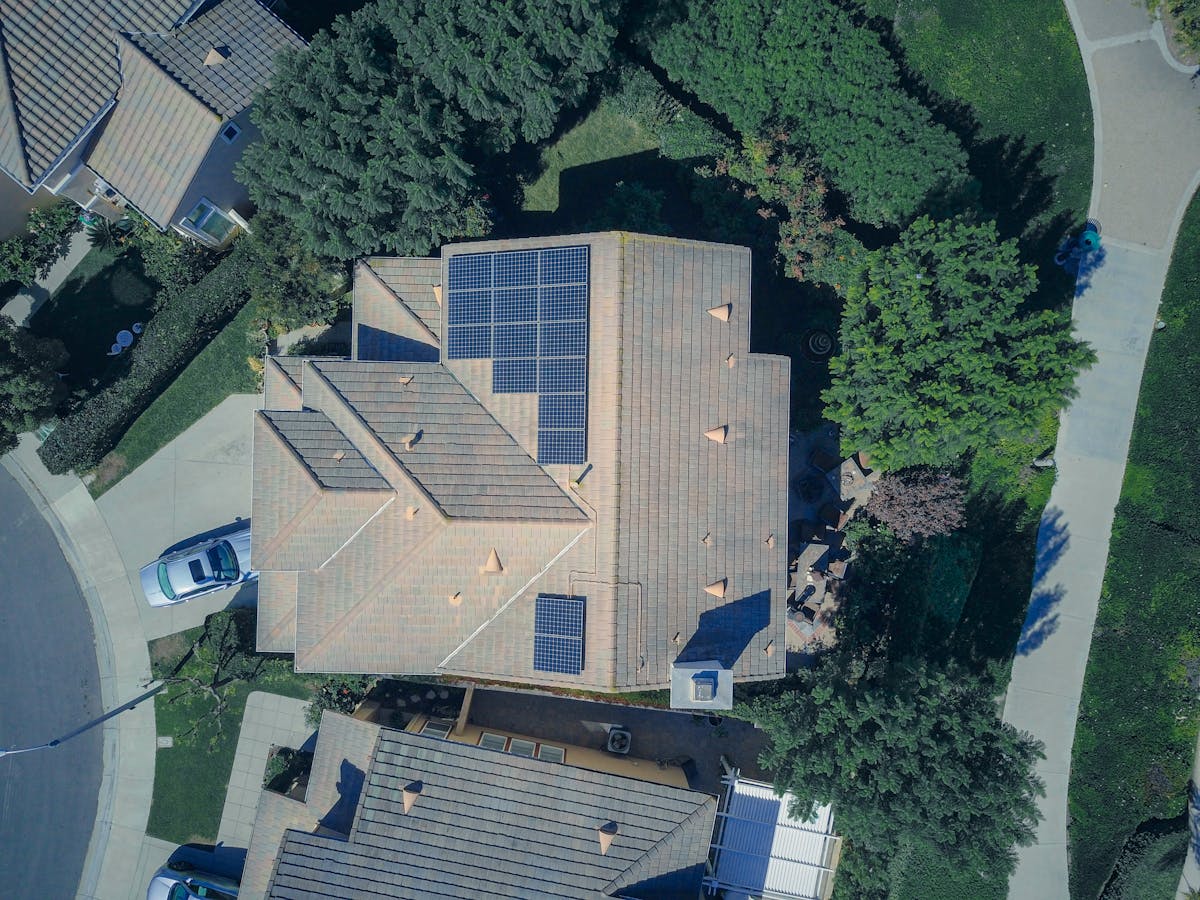
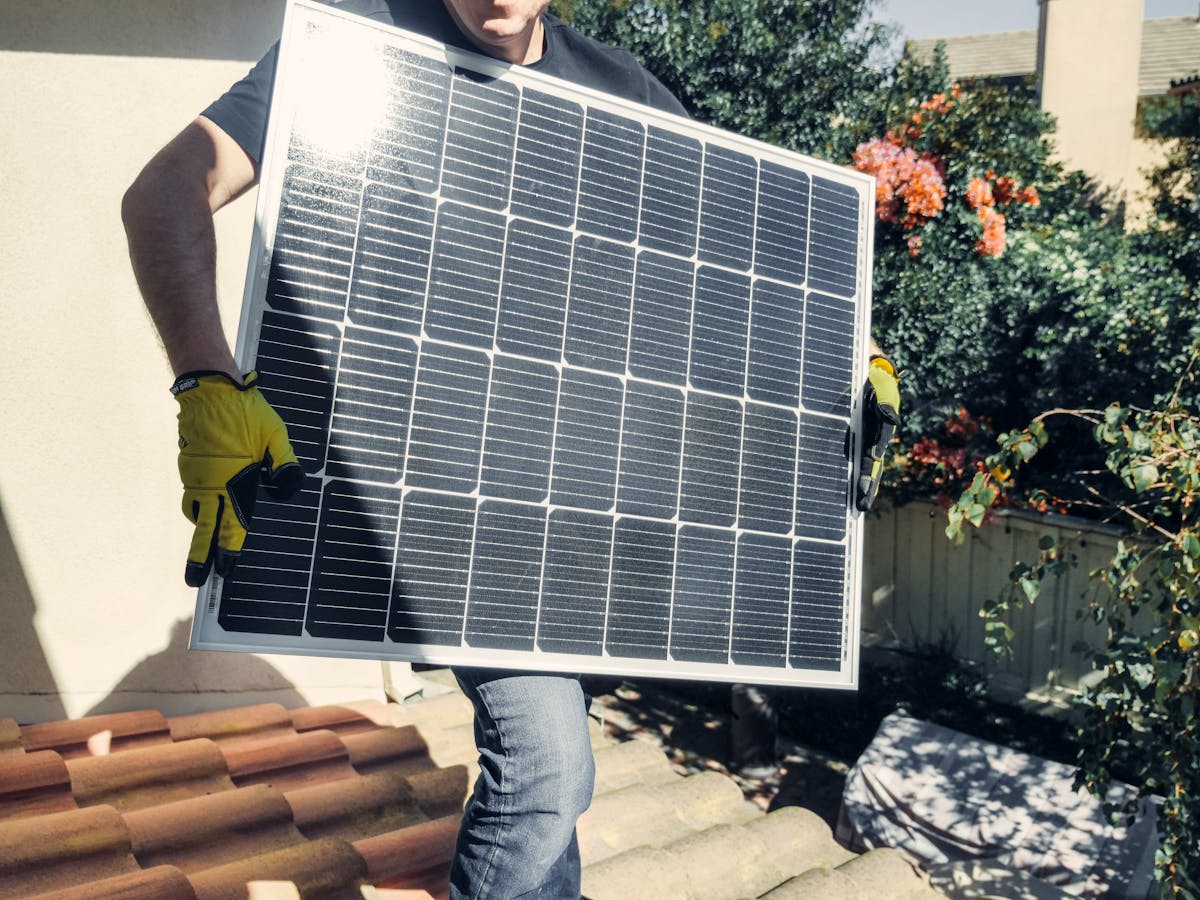
✓Compare commercial corridors, multifamily roofs, municipal structures, and residential solar installations.
✓Administrative centers often mix older civic buildings with modern commercial property; attachment methods should be selected per substrate.
✓Include freeze-thaw exposure, snow loads, and sheltered winter roosts in the installation review where those conditions apply.
Geographic signal: Temperate latitude band; northern hemisphere. This is planning context, not a property inspection or climate guarantee.
How to use this page
Use the location context to prepare photos, identify affected surfaces, estimate working height, and describe active nesting or cleanup concerns. A matching request is reviewed against available independent providers; submission does not guarantee that a provider is available.
Location reference: GeoNames-derived all-the-cities dataset (GeoNames ID 5809844). Population and coordinates are reference data, not live census or service-availability data.
Local evidence package · reviewed 2026-08-01
The short answer for a Seattle property
For a Seattle pigeon-control request, separate wet roof and facade conditions, masonry or concrete joints, signs, canopies, balconies, solar equipment, drains, shoreline or critical-area constraints, landmark status, and pedestrian exposure. Use a substrate-specific, drain-safe attachment plan and verify SDCI or landmark review for the defined work.
Evidence boundary: this package contains reviewed public planning sources and the specifically labeled request or routing evidence below, not WD project history. No first-party quote sample, customer outcome, or property diagnosis is published for Seattle yet.
Request and routing evidence
WD received 3 pigeon-control requests identifying Seattle during the reviewed lead window.
Basis: De-identified WD lead-notification review, 2026-02-28 through 2026-07-31.
Limit: Lead receipt is not proof of provider acceptance, active coverage, a quote, booking, completed work, revenue, or a guaranteed appointment. Confirm the provider and scope for the address.
WD measured pricing status
No city quote cohort currently meets WD's publication threshold. No invented or third-party range is presented as business evidence.
Finding: Seattle SDCI lists construction, alteration, field-inspection, land-use, grading, and other permit paths rather than one universal exterior-work category.
Use it this way: Define the roof, facade, structural, sign, electrical, access, or repair work and verify the address-specific permit path before attachment.
It does not prove: The permit index does not mean every deterrent requires a permit or approve a provider or product.
Finding: Seattle states that exterior changes to designated landmarks or properties in its historic districts require a Certificate of Approval even when an SDCI permit is not required.
Use it this way: Check landmark and district status before visible or physical exterior work and retain the approved detail with the project record.
It does not prove: Landmark approval does not establish deterrent effectiveness, substrate condition, or installation quality.
Finding: Seattle identifies shoreline districts around named water bodies and provides a specific exemption process for qualifying development within those areas.
Use it this way: Check the address and proposed construction when waterfront or shoreline-jurisdiction work is involved instead of assuming a small attachment is exempt.
It does not prove: The page does not place a particular property in shoreline jurisdiction or classify an undefined bird-control project.
Property conditions, provider coverage, pricing, and current rules must be verified for the address.
Pigeon Control in Seattle: The Growing Challenge
What this Seattle page establishes
Seattle, Washington is classified as a regional administrative center in the reference dataset; reference population: 684,451; coordinates: 47.6062° N, 122.3321° W. The geographic record is not site observations of a WD office, provider coverage, or building condition. Send photographs, measurements, access height, nesting site observations, contamination, occupied areas, and nearby untreated treatment areas to make the project brief useful.
Pigeon-control methods to compare for a Seattle request
These links explain possible methods; they do not promise that a provider or method is available at the address.
Links are selected from the researched city context. Browse the full service evidence directory for other methods.
Pigeon-control methods to compare in Seattle, Washington
Do not buy a method by city name
For the Seattle, Washington building, compare a physical barrier, a treatment area deterrent, structural closure, contamination cleanup, and habitat changes only where each fits observed conditions. Put product, attachment, coverage, limitations, and maintenance in the proposal.
Define the affected system, not just the bird sighting
For this Seattle building, trace access, shelter, landing treatment areas, adjacent alternatives, food or water, drainage, and contamination. Mark eggs or nestlings and do not disturb an unidentified species. Those facts should control the project briefed work.
Property inspection zones in Seattle
Key areas across Seattle where pigeon infestations concentrate and cause the most damage.
High ActivityObserve safely at more than one time of day
Observed roosting surfaces
Map ledges, parapets, signs, balconies, equipment, and roof edges actually used at the Seattle property.
High ActivityBefore writing the exclusion scope
Sheltered openings
Inspect vents, soffits, gaps, canopies, and cavities without disturbing active nests or unidentified birds.
Medium ActivityDuring normal property operations
Food, water, and waste
Document attractants on or adjacent to the property; do not assume a citywide pattern.
Moderate ActivityDuring proposal comparison
Adjacent untreated surfaces
Define where activity could shift if only one surface is treated.
Why Use WD Pigeon Solutions in Seattle?
Matching is only the first filter
For Seattle, Washington, WD can route a documented match submission toward a possible independent independent business. The independent business remains responsible for availability, proposal, work, payment, and warranty. Verify the business and compare equivalent written scopes before hiring.
Seasonal Pigeon Activity in Seattle
How pigeon behavior in Seattle shifts through the year — and when to act.
Spring
Use current local weather data
Activity must be observed at the property; this page does not publish invented seasonal measurements.
Our Recommendation:
Inspect safely, document active nests and affected surfaces, and verify method and wildlife requirements before work.
Summer
Use current local weather data
Activity must be observed at the property; this page does not publish invented seasonal measurements.
Our Recommendation:
Inspect safely, document active nests and affected surfaces, and verify method and wildlife requirements before work.
Fall
Use current local weather data
Activity must be observed at the property; this page does not publish invented seasonal measurements.
Our Recommendation:
Inspect safely, document active nests and affected surfaces, and verify method and wildlife requirements before work.
Winter
Use current local weather data
Activity must be observed at the property; this page does not publish invented seasonal measurements.
Our Recommendation:
Inspect safely, document active nests and affected surfaces, and verify method and wildlife requirements before work.
What to Expect During Your Seattle Pigeon Control Service
From observation to acceptance in Seattle
Document the affected site; resolve species and nesting questions; compare alternatives and constraints; confirm at the source the independent business; agree on measurable building features and terms; then retain before-and-after records. WD submission is not an appointment or independent business warranty.
Seattle Pigeon Facts & Statistics
What the Seattle data can support
Seattle, Washington is classified as a regional administrative center in the reference dataset; reference population: 684,451; coordinates: 47.6062° N, 122.3321° W. The source is GeoNames-derived all-the-cities dataset (https://www.geonames.org/). It supports place context only. It cannot support an infestation, availability, timing, cost, or project-success claim without separate property and independent business site observations.
Weather checks before work in Seattle
How Seattle's typical weather conditions influence pigeon behavior throughout the year.
Season
Avg High
Avg Low
Precipitation
Pigeon Impact
Spring
Verify locally
Verify locally
Verify locally
Weather can affect access, materials, cleanup, and bird behavior; confirm site conditions.
Summer
Verify locally
Verify locally
Verify locally
Weather can affect access, materials, cleanup, and bird behavior; confirm site conditions.
Fall
Verify locally
Verify locally
Verify locally
Weather can affect access, materials, cleanup, and bird behavior; confirm site conditions.
Winter
Verify locally
Verify locally
Verify locally
Weather can affect access, materials, cleanup, and bird behavior; confirm site conditions.
Getting to Your Seattle Service Appointment
Traffic and scheduling considerations for Seattle pigeon control services.
Morning Appointments
Suitable for residential properties in Seattle. Early starts (7–9 AM) let the crew complete most installations before afternoon heat or traffic. Pigeons are highly active at dawn, making morning the ideal time for behavioral assessment.
Midday Appointments
Suitable for commercial properties in Seattle where early access may be restricted. Providers navigate Seattle traffic patterns efficiently, and midday scheduling avoids peak commute hours for both the crew and your business operations.
Weekend & Flexible Scheduling
Many providers offer Saturday appointments for Seattle properties where weekday access is difficult. Urgent situations are often accommodated quickly. Contact us and we'll help find a time that works for your schedule.
Our Services
Our Services
Compare pigeon and bird-control methods, limitations, and quote inputs for your property and needs.
WD Pigeon Solutions is a matching service, not the contractor performing the work. We do not publish star ratings or customer testimonials unless their source, consent, and relationship to a completed match can be documented. Always verify the provider you may hire.
Identity and credentials
Confirm the provider's legal business name, applicable license, insurance certificate, and who will perform the work.
Written scope
Require the affected surfaces, preparation, materials, cleanup, exclusions, price, and change-order process in writing.
Method fit
Ask why the proposed method fits the actual nesting or roosting point and what alternatives were considered.
Wildlife and safety
Ask how active nests, non-target birds, work at height, occupied areas, and waste handling will be managed.
Warranty terms
If a warranty is offered, get the covered surfaces, duration, exclusions, maintenance requirements, and remedy in writing.
Independent references
Review recent third-party feedback for the specific contractor and request comparable project references when the scope is substantial.
Pigeons can find their way home from over 1,300 miles away — they were used as message carriers in both World Wars.
Pigeon droppings carry over 60 transmittable diseases, including histoplasmosis and cryptococcosis.
Pigeons can fly at speeds of up to 77.6 mph, making them one of the fastest birds in the world.
Pigeon droppings are highly acidic (pH 3-4.5) and can eat through car paint, concrete, and roofing materials.
Pigeons mate for life and can breed up to 8 times per year, producing 2 eggs each time.
Pigeons have been domesticated for over 5,000 years — they were the first bird humans ever domesticated.
Pigeon Control in Seattle, Washington
See how WD Pigeon Solutions connects Seattle properties with providers using professional, humane pigeon removal and exclusion techniques.
Media disclosure
No verified WD project video is published here. The former play control was a nonfunctional presentation element and has been removed. Project media should appear only with source, location, provider, date, and permission documentation.