If the property is a warehouse or distribution property
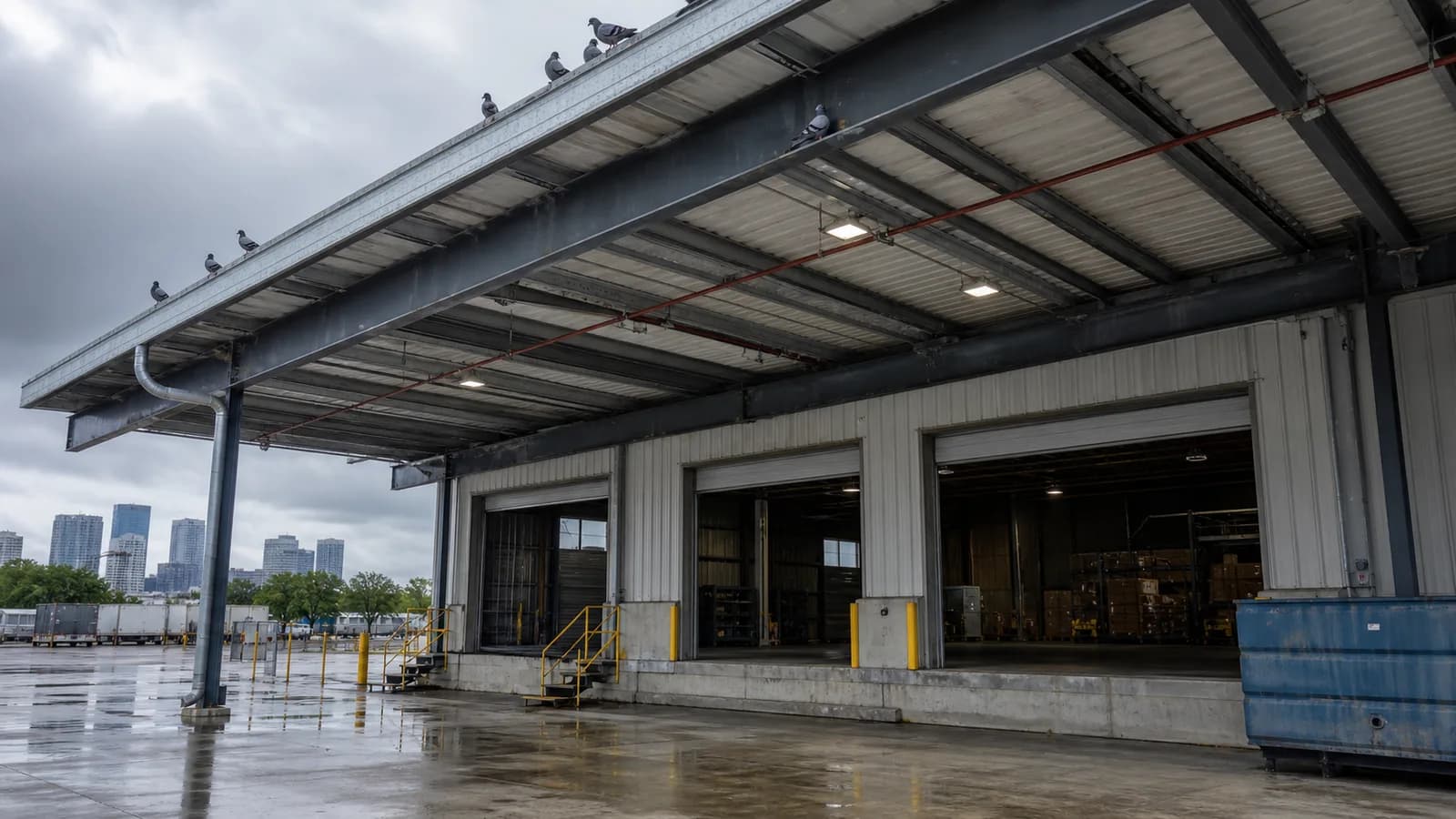
Trace dock doors, canopies, open rafters, trailer clearances, lights, sprinklers, and sanitation zones. Define operating hours and whether openings must remain active during installation.
Houston, Texas pigeon-control property-planning and provider-match request page. WD Pigeon Solutions does not claim a local office, provider, project, price, response time, or result in this city.
Property-specific pigeon-control planning and provider-match requests for Houston. This page does not guarantee coverage, credentials, price, timing, or results.
Evidence before claims
This page describes a provider-matching option, not a local WD Pigeon Solutions office. Provider availability, credentials, pricing, response time, warranties, and legal requirements must be confirmed for the specific property before work begins.
Reference population
2,296,224
Urban context
Major urban market
Place classification
Regional administrative center
Geographic reference
29.7633° N, 95.3633° W
Geographic signal: Subtropical latitude band; northern hemisphere. This is planning context, not a property inspection or climate guarantee.
Use the location context to prepare photos, identify affected surfaces, estimate working height, and describe active nesting or cleanup concerns. A matching request is reviewed against available independent providers; submission does not guarantee that a provider is available.
Location reference: GeoNames-derived all-the-cities dataset (GeoNames ID 4699066). Population and coordinates are reference data, not live census or service-availability data.
Hand-authored city decision guide
Separate roof and canopy work from loading, parking, food-service, and flood- or storm-exposed areas. Drainage, wind exposure, humidity, roof warranties, and large commercial footprints can materially change installation and maintenance.
This page is in the first content-upgrade cohort because its reference population ranks #4 among the distinct U.S. city markets selected for review. Population is only a production-priority proxy; it is not evidence of WD revenue, search demand, provider availability, or pigeon activity.
Trace dock doors, canopies, open rafters, trailer clearances, lights, sprinklers, and sanitation zones. Define operating hours and whether openings must remain active during installation.
Map signs, awnings, parapets, dumpsters, grease or food-handling areas, and customer paths separately. Coordinate attractant correction with exclusion so the birds are not simply shifted to the next storefront.
Record membrane type, drains, ponding evidence, equipment, skylights, and storm-damaged areas. Require compatible attachment and a plan for hurricane or severe-weather inspection where relevant to the property.
Use the Houston Permitting Center guidance to verify whether the specific construction or alteration work needs a permit or inspection.
City of Houston: permits and inspectionsOfficial links can change. Confirm that the page belongs to the named government before relying on it.
Local evidence package · reviewed 2026-08-01
For a Houston pigeon-control project, inspect drainage, roof and canopy condition, sheltered loading areas, open bays, fire systems, storm exposure, and public or operational access as separate zones. Building repair and storm damage should be resolved independently from exclusion, and permit or inspection needs should be verified with the Houston Permitting Center.
Evidence boundary: this package contains reviewed public planning sources and the specifically labeled request or routing evidence below, not WD project history. No first-party quote sample, customer outcome, or property diagnosis is published for Houston yet.
WD accepts and routes pigeon-control requests for Houston.
Basis: Business-owner coverage confirmation received 2026-08-01.
Limit: Routing coverage is not a guaranteed appointment. Provider acceptance, timing, price, credentials, and scope must be confirmed for the address.
$100–$2,960
third-party reported Houston pigeon-removal project range
Finding: Houston's official business portal routes building, commercial, fire, and related permits through the Houston Permitting Center and says work requiring a permit is subject to inspection.
Use it this way: Have the provider identify construction, fire-system, electrical, structural, roof, or access work, then verify the appropriate permit and inspection path.
It does not prove: It does not establish that every pigeon-control scope requires a permit or City inspection.
Source: City of Houston — Permits and InspectionsFinding: The Houston Permit Portal supports address-based permit searches, applications, payments, progress tracking, and inspection requests.
Use it this way: Check the property record and retain the applicable project or permit number when regulated work is part of the scope.
It does not prove: A portal search does not verify provider quality, insurance, or bird-control experience.
Source: City of Houston — Permit PortalFinding: The National Weather Service Houston/Galveston office maintains Southeast Texas tropical-cyclone climatology and local weather resources.
Use it this way: Require the proposal to state who inspects barriers, fasteners, roof interfaces, drains, and open edges after material storm events.
It does not prove: Regional storm history does not prove that a property is damaged or predict a future event at the address.
Source: National Weather Service Houston/Galveston — Tropical Cyclone Climatology
Property conditions, provider coverage, pricing, and current rules must be verified for the address.
A planning page, not a Houston office listing Houston, Texas is classified as a regional administrative center in the reference dataset; reference population: 2,296,224; coordinates: 29.7633° N, 95.3633° W. WD has not used this record to claim a local crew or measured pigeon problem. A match request needs property photographs, surface dimensions, height, active nesting details, cleanup needs, and safe access information.
These links explain possible methods; they do not promise that a provider or method is available at the address.
Links are selected from the researched city context. Browse the full service evidence directory for other methods.

Method selection for this Houston request First distinguish an entry opening from a landing ledge, solar cavity, attractant, or cleanup zone. Netting, point deterrents, sealing, guards, and remediation solve different problems. The independent business should document why the chosen system fits, where it stops, and what upkeep it requires.
Map the Houston problem before pricing it Separate observed landing, roosting, nesting, entry, attractant, and contamination points. Record timing, building features, eggs or nestlings, occupied zones, and safe access. Avoid dry disturbance or height work merely to investigate; the documented map should define both proposal and completion check.
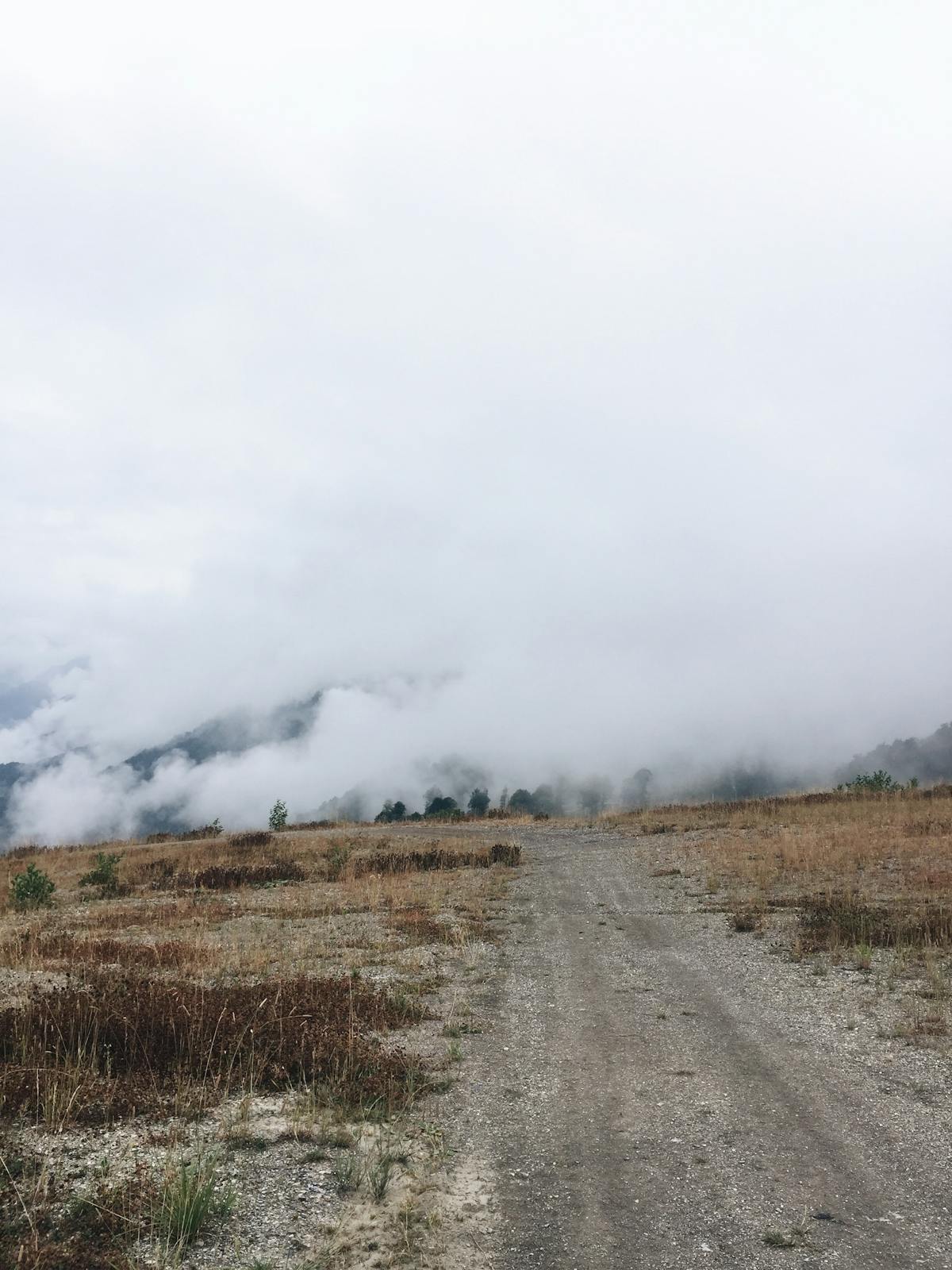
Key areas across Houston where pigeon infestations concentrate and cause the most damage.
Map ledges, parapets, signs, balconies, equipment, and roof edges actually used at the Houston property.
Inspect vents, soffits, gaps, canopies, and cavities without disturbing active nests or unidentified birds.
Document attractants on or adjacent to the property; do not assume a citywide pattern.
Define where activity could shift if only one surface is treated.
What a Houston match does not prove An introduction is not a credential check, endorsement, quote, appointment, or warranty. WD does not employ the contractor or set its price. Confirm the business and all claimed property record at the source, then retain the signed scope and completion record.
How pigeon behavior in Houston shifts through the year — and when to act.
Activity must be observed at the property; this page does not publish invented seasonal measurements.
Our Recommendation:
Inspect safely, document active nests and affected surfaces, and verify method and wildlife requirements before work.
Activity must be observed at the property; this page does not publish invented seasonal measurements.
Our Recommendation:
Inspect safely, document active nests and affected surfaces, and verify method and wildlife requirements before work.
Activity must be observed at the property; this page does not publish invented seasonal measurements.
Our Recommendation:
Inspect safely, document active nests and affected surfaces, and verify method and wildlife requirements before work.
Activity must be observed at the property; this page does not publish invented seasonal measurements.
Our Recommendation:
Inspect safely, document active nests and affected surfaces, and verify method and wildlife requirements before work.
A six-part Houston decision record 1. Photograph and measure safely. 2. Identify species and active nests. 3. Compare method fit, access, safety, and rules. 4. Verify the independent business. 5. Sign a bounded written proposal. 6. Check completion property record and follow-up terms.
The match submission itself promises no provider, schedule, price, or result.

Reference record and its boundary - Houston, Texas is classified as a regional administrative center in the reference dataset; reference population: 2,296,224; coordinates: 29.7633° N, 95.3633° W. - Source: GeoNames-derived all-the-cities dataset (https://www.geonames.org/). - Not measured: birds, building damage, provider coverage, response, price, or outcome. - Required next: building photographs, dimensions, access, nesting site observations, and a written provider scope.
How Houston's typical weather conditions influence pigeon behavior throughout the year.
| Season | Avg High | Avg Low | Precipitation | Pigeon Impact |
|---|---|---|---|---|
| Spring | Verify locally | Verify locally | Verify locally | Weather can affect access, materials, cleanup, and bird behavior; confirm site conditions. |
| Summer | Verify locally | Verify locally | Verify locally | Weather can affect access, materials, cleanup, and bird behavior; confirm site conditions. |
| Fall | Verify locally | Verify locally | Verify locally | Weather can affect access, materials, cleanup, and bird behavior; confirm site conditions. |
| Winter | Verify locally | Verify locally | Verify locally | Weather can affect access, materials, cleanup, and bird behavior; confirm site conditions. |
Traffic and scheduling considerations for Houston pigeon control services.
Suitable for residential properties in Houston. Early starts (7–9 AM) let the crew complete most installations before afternoon heat or traffic. Pigeons are highly active at dawn, making morning the ideal time for behavioral assessment.
Suitable for commercial properties in Houston where early access may be restricted. Providers navigate Houston traffic patterns efficiently, and midday scheduling avoids peak commute hours for both the crew and your business operations.
Many providers offer Saturday appointments for Houston properties where weekday access is difficult. Urgent situations are often accommodated quickly. Contact us and we'll help find a time that works for your schedule.
Compare pigeon and bird-control methods, limitations, and quote inputs for your property and needs.

Identify the species and affected surfaces, then compare physical barriers, deterrents, operational controls, and applicable rules.
Learn More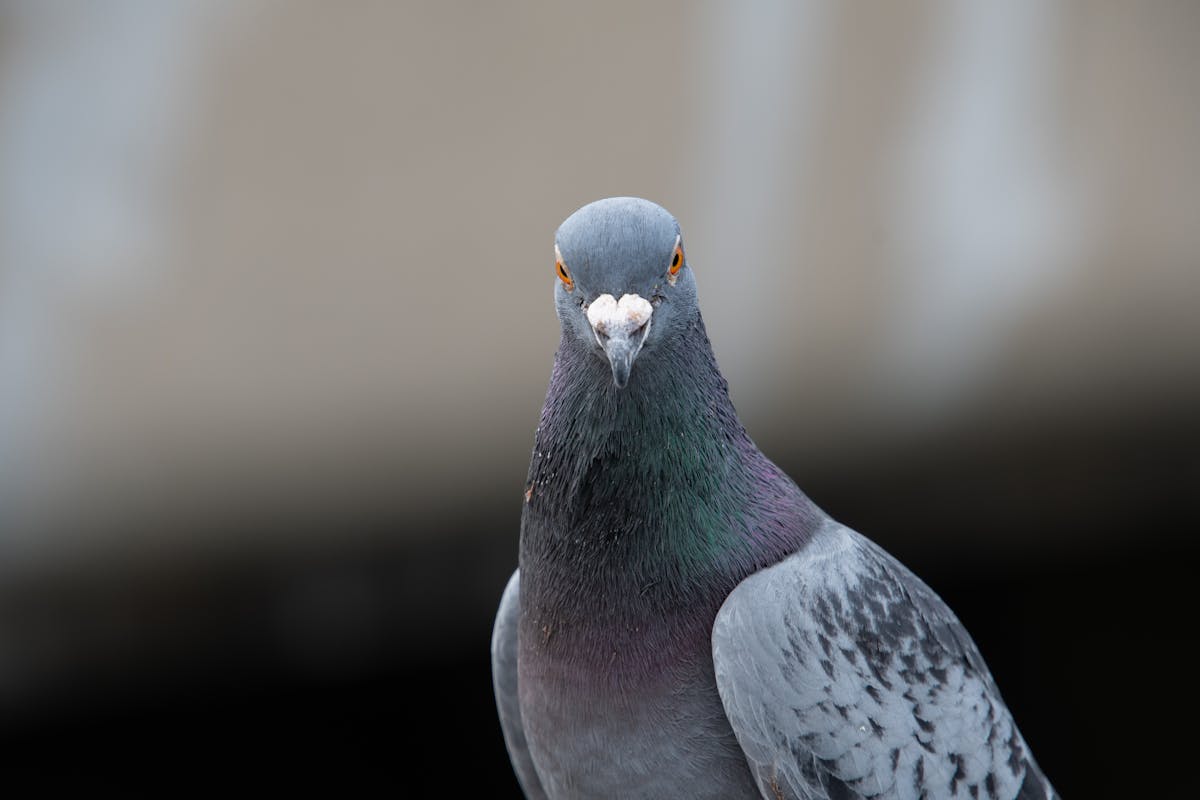
Evaluate spikes for measured landing surfaces, compatible attachment, adjacent untreated areas, appearance, maintenance, and non-target risks.
Learn More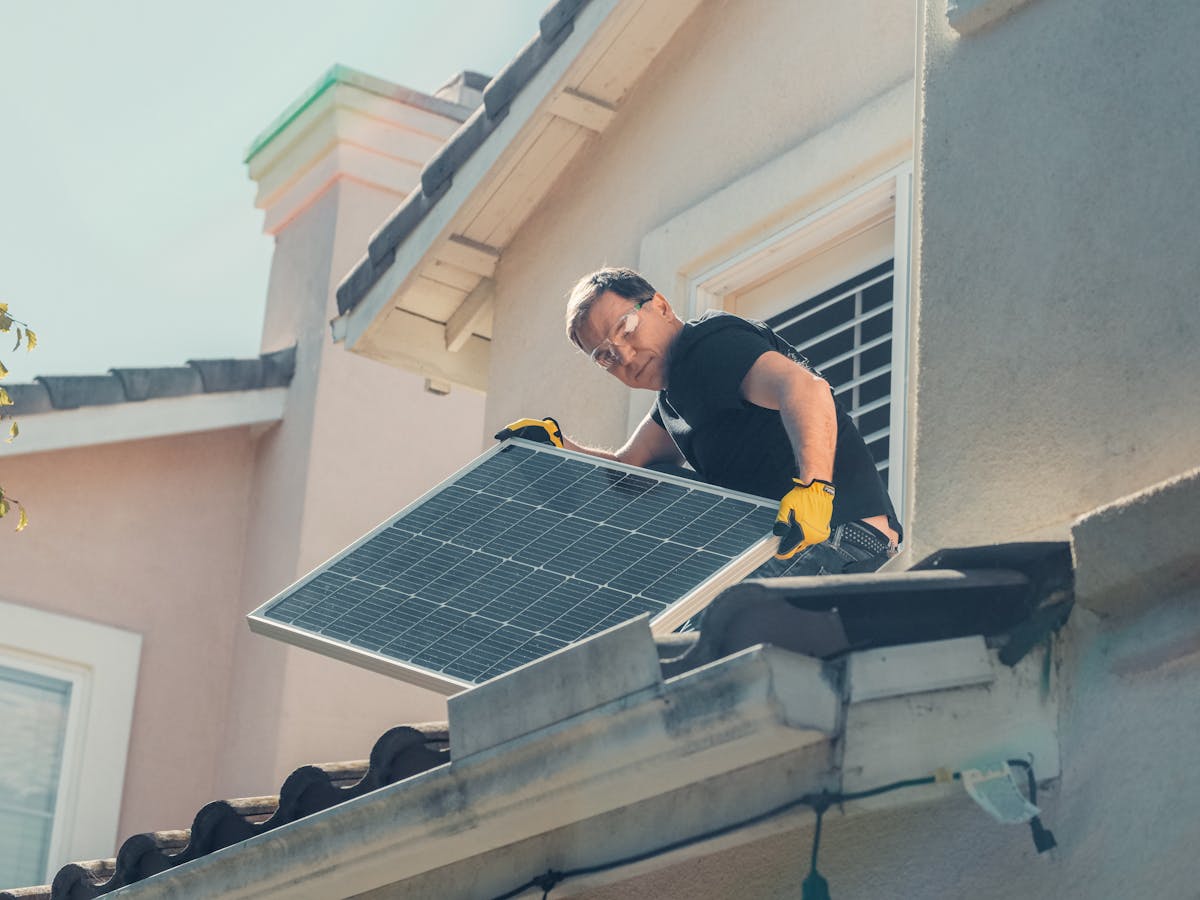
Document array perimeter, roof access, nesting evidence, drainage, wiring concerns, attachment compatibility, and installer warranty requirements.
Learn MoreVerify before hiring
WD Pigeon Solutions is a matching service, not the contractor performing the work. We do not publish star ratings or customer testimonials unless their source, consent, and relationship to a completed match can be documented. Always verify the provider you may hire.
Confirm the provider's legal business name, applicable license, insurance certificate, and who will perform the work.
Require the affected surfaces, preparation, materials, cleanup, exclusions, price, and change-order process in writing.
Ask why the proposed method fits the actual nesting or roosting point and what alternatives were considered.
Ask how active nests, non-target birds, work at height, occupied areas, and waste handling will be managed.
If a warranty is offered, get the covered surfaces, duration, exclusions, maintenance requirements, and remedy in writing.
Review recent third-party feedback for the specific contractor and request comparable project references when the scope is substantial.
Find direct answers about planning, provider matching, quotes, and service limitations.
Record property observations and run user-supplied financial scenarios. Outputs are not diagnoses, quotes, or method recommendations.
Run arithmetic using costs and avoided expenses you supply. WD does not provide or validate the financial assumptions.
Open Planning ToolRecord visible activity, droppings, nesting material, access points, and drainage observations. The count is not a diagnosis or urgency rating.
Open Planning ToolFascinating pigeon facts that might surprise you.
A single pigeon produces about 25 pounds of droppings per year, which can corrode metal and damage building facades.
A flock of just 100 pigeons can produce over 2,400 pounds of droppings in a single year.
Feral pigeon populations can double in just 2 months under ideal conditions.
Pigeons can fly at speeds of up to 77.6 mph, making them one of the fastest birds in the world.
Pigeons can recognize all 26 letters of the English alphabet and can even be trained to distinguish between paintings by Monet and Picasso.
Pigeon droppings are highly acidic (pH 3-4.5) and can eat through car paint, concrete, and roofing materials.
See how WD Pigeon Solutions connects Houston properties with providers using professional, humane pigeon removal and exclusion techniques.
Media disclosure
No verified WD project video is published here. The former play control was a nonfunctional presentation element and has been removed. Project media should appear only with source, location, provider, date, and permission documentation.
Use a documented three-step process before choosing an independent provider.
Send the property location, photographs, affected surfaces, dimensions, access limits, and any active nesting evidence.
We review the request for a potentially suitable independent provider. A match, appointment, or price is not guaranteed.
Verify the provider and compare the written method, materials, exclusions, payment, cleanup, and follow-up terms before hiring.
Identify your pigeon problem and learn about effective solutions.
 Critical
Pigeons nest under solar panels for warmth and shelter, damaging wiring, reducing energy output by up to 30%, and voiding manufacturer warranties.
Learn More Critical
Large commercial spaces attract massive pigeon flocks. Droppings contaminate inventory, create slip hazards, and can trigger health code violations and costly fines.
Learn More Medium
Pigeons in parking structures damage vehicles with acidic droppings, create liability issues from slippery surfaces, and drive away customers and tenants.
Learn More Medium
Pigeons roosting on balconies and patios leave droppings, feathers, and nesting debris that create unsanitary conditions and make outdoor spaces unusable.
Learn MoreBrowse other request locations in nearby Texas communities; listing does not prove provider availability.
Explore services, tools, and guides for Houston, Texas property owners.
Browse all 84 request locations in Texas.
Comprehensive pigeon management and population control.
Compare species, active nests, affected surfaces, methods, limitations, and quote inputs.
Compare physical barriers, attachment, gaps, maintenance, and limitations.
Property-planning and provider-match requests in Abilene, Texas.
Property-planning and provider-match requests in Allen, Texas.
Property-planning and provider-match requests in Amarillo, Texas.
Property-planning and provider-match requests in Arlington, Texas.
Interactive calculators and assessment tools.
Expert tips for keeping pigeons away long-term.
Articles on pigeon behavior, control methods, and property protection.
| DIY Method | Effectiveness | Limitation |
|---|---|---|
| Bird gel or sticky repellent | Mildly effective on flat ledges | Collects dust and debris quickly, loses stickiness, and can trap small songbirds |
| Removing food sources | Helpful as part of a broader plan | Urban environments provide too many alternative food sources for this alone |
| Homemade spice or vinegar sprays | Very short-term deterrent | Washes away with rain and requires constant reapplication |
| Sealing individual entry points | Effective for specific openings | Pigeons find alternative entry points without comprehensive exclusion |
| Ultrasonic devices | Minimal proven effectiveness | Most peer-reviewed studies show negligible impact on pigeon behavior |
| Task | Frequency | Importance |
|---|---|---|
| Clean droppings from ledges, walkways, and rooftops | Weekly to biweekly | High |
| Check and repair gaps in building envelope (vents, soffits, eaves) | Quarterly | Critical |
| Ensure trash containers are sealed and food waste is managed | Daily | High |
| Check loading dock and dumpster areas for spilled grain or food waste | Weekly | High |
| Ensure rooftop HVAC intake screens are intact and free of feathers | Monthly | High |
| Assess effectiveness of current deterrent measures | Annually | High |
| Clean gutters and drainage systems of nesting debris | Biannually | Medium |
| Power-wash stained surfaces to remove acidic residue before it etches | Quarterly | Medium |
Pigeon droppings and nests harbor pathogens that pose real health risks. Professional cleanup is strongly recommended.
Cause: Inhalation of Histoplasma capsulatum spores found in dried pigeon droppings
Symptoms: Fever, chest pain, cough; can become severe in immunocompromised individuals
Source: CDC — Centers for Disease Control and Prevention
Cause: Pigeon mites, ticks, and bird bugs that can migrate into living spaces from nearby nests
Symptoms: Skin irritation, bites; potential secondary infections
Source: University extension entomology departments
Cause: Contact with surfaces contaminated by pigeon droppings
Symptoms: Gastrointestinal illness including nausea, vomiting, and diarrhea
Source: WHO — World Health Organization
Cause: Inhalation of Aspergillus fumigatus spores that thrive in accumulated droppings and nesting debris
Symptoms: Allergic reactions, chronic cough, wheezing; invasive lung infection in immunocompromised patients
Source: CDC — Centers for Disease Control and Prevention
Cause: Inhalation of Chlamydia psittaci bacteria from dried droppings or feather dust
Symptoms: Pneumonia-like illness with fever, headache, and dry cough
Source: CDC — Centers for Disease Control and Prevention
Health information sourced from CDC and WHO public health guidelines. Consult a healthcare professional for medical advice.
Every property is different. Compare proposals for the same documented scope and confirm whether inspection, travel, equipment, disposal, tax, and maintenance are included.
| Service | Pricing | Key Factors |
|---|---|---|
| Bird netting installation | Varies by square footage | Net material, area coverage, mounting hardware requirements |
| Bird spike installation | Varies by linear footage | Material type (plastic vs. stainless steel), height and accessibility of installation area |
| Initial inspection and assessment | Provider-specific | Confirm inspection charges, travel, deliverables, and quote terms before scheduling |
| Dropping cleanup and sanitization | Varies by area and accumulation | Square footage, depth of accumulation, accessibility, disposal requirements |
| Solar panel protection | Varies by system size | Number of panels, roof type, critter guard material |
| Ledge modification and slope panels | Varies by linear footage | Material (metal vs. PVC), angle of slope, number of ledges treated |
| Ongoing maintenance program | Monthly or quarterly retainer | Property size, severity history, number of deterrent systems maintained |
Submit property evidence to request a match. Provider availability and quote terms must be confirmed directly.