Hospital Bird Management in St. Louis Park, Minnesota. WD Pigeon Solutions connects St. Louis Park property owners with hospital bird management providers, including multi-species effectiveness, commercial-grade deterrents, virtually invisible systems. Contact us for a free consultation in St. Louis Park, Minnesota.
Hospital Bird Management in St. Louis Park, Minnesota
Sterile-environment bird management for hospitals and healthcare facilities meeting strict infection control and Joint Commission standards
Last updated: January 18, 2026
Why St. Louis Park Property Owners Need Professional Hospital Bird Management
St. Louis Park businesses benefit from Hospital Bird Management to protect lecture hall ventilation grates and library building ledges, reducing maintenance costs and health risks associated with pigeon infestations.
Across St. Louis Park, pigeon populations thrive near university classroom halls where dining hall waste overflow and outdoor campus eating areas create ideal foraging conditions.
Pigeon nests and droppings in St. Louis Park are known vectors for ectoparasites such as bird mites, ticks, and pigeon flies, which can migrate into occupied spaces and cause skin irritation.
St. Louis Park clients appreciate transparent pricing, professional installation, and a commitment to humane methods that comply with all applicable regulations.
Properties such as downtown bars and restaurants and bookstores and retail are especially vulnerable to pigeon-related liability concerns, as accumulated droppings create slippery walkways and unsanitary conditions for visitors.
St. Louis Park's seasonal continental climate with pronounced academic-year activity creates conditions where pigeon activity peaks during August through May, making early intervention critical.
Effective pigeon prevention in St. Louis Park requires eliminating food sources, sealing entry points, and installing physical deterrents on roosting surfaces.
Whether you manage a single building or an entire portfolio in St. Louis Park, WD Pigeon Solutions has the expertise and equipment to solve your pigeon problem—call us today.

Where Hospital Bird Management Providers Serve in St. Louis Park
Hospital Bird is available across property types throughout Minnesota. We connect you with providers who serve your specific location.
High-Priority Hospital Bird Management Locations in St. Louis Park
These St. Louis Park property types see the most urgent demand for professional hospital bird.
St. Louis Park University buildings
University buildings in St. Louis Park are prime candidates for hospital bird due to heavy pigeon pressure around greenhouse roof vents. Nearby event catering cleanup areas draw flocks that quickly establish colonies.
St. Louis Park Campus dining facilities
Hospital Bird is increasingly requested for campus dining facilities in St. Louis Park, particularly to protect stadium press box structures and reduce contamination caused by outdoor campus eating areas.
St. Louis Park Off-campus student apartments
Off-campus student apartments in St. Louis Park combine sheltered clock tower recesses with nearby overflowing dorm dumpsters, creating ideal conditions for persistent pigeon colonies that hospital bird can address.
St. Louis Park Fraternity and sorority houses
Pigeon activity around fraternity and sorority houses in St. Louis Park frequently targets parking garage stairwells, with vending machine alcoves sustaining flocks that cause droppings, nesting debris, and health concerns.
St. Louis Park Downtown bars and restaurants
Downtown bars and restaurants face recurring pigeon pressure in St. Louis Park. Colonies establish around greenhouse roof vents and are sustained by event catering cleanup areas, making hospital bird a practical option for long-term protection.
St. Louis Park University classroom halls
University classroom halls in St. Louis Park are prime candidates for hospital bird due to heavy pigeon pressure around stadium press box structures. Nearby outdoor campus eating areas draw flocks that quickly establish colonies.
The Hospital Bird Management Process in St. Louis Park
Step 1: Free St. Louis Park Property Assessment
A matched St. Louis Park provider visits your property at no charge to evaluate pigeon activity around campus dining facilities and fraternity and sorority houses. They identify every active roosting site, nesting access point in dormitory window sills, and assess the scope of contamination to determine the most effective hospital bird approach.
Step 2: Engineered Hospital Bird Solution
The provider creates a detailed treatment blueprint mapping every identified hot zone — from dormitory window sills on performing arts centers to secondary perches near student recreation centers. Materials, fastener types, and coverage patterns are specified for each surface type on your property.
Step 3: On-Site Hospital Bird Installation
The fully covered team handles the physical installation, working systematically across parking garage stairwells, lecture hall ventilation grates, and every other designated surface. They coordinate with your St. Louis Park building management to schedule around business hours when needed.
Step 4: Comprehensive Post-Install Review
The installation team inspects every treatment point — fraternity and sorority houses, lecture hall ventilation grates, and all secondary sites — to confirm complete coverage. The written report provided includes before-and-after documentation that supports insurance filings and property management records.
Step 5: Protection & Follow-Up
Ask your hospital bird provider in St. Louis Park about their protection plan. If pigeons return to any surface treated on your student recreation centers or bookstores and retail, confirm the provider's policy for follow-up visits at no extra cost.
Why St. Louis Park Chooses WD Pigeon Solutions for Hospital Bird Management
The right hospital bird management provider in St. Louis Park combines technical skill with local insight. Providers understand how pigeons exploit dormitory window sills and parking garage stairwells across St. Louis Park's research laboratory buildings, and they apply that knowledge to every project.
- Materials suited to St. Louis Park's seasonal continental climate with pronounced academic-year activity — products that won't degrade prematurely in local weather
- St. Louis Park-specific expertise — providers know which campus dining facilities and fraternity and sorority houses need the most thorough treatment
- Commercial-grade products — providers use professional-grade deterrents, not consumer hardware-store products that fail within months
- Detailed written quotes — transparent pricing; confirm quote details with your provider
- Post-installation monitoring — providers often follow up to verify that hospital bird is performing as expected around athletic facilities and other treated areas
- Confirm provider credentials — including liability coverage, before work begins
Success is measured by whether pigeons stay away from your St. Louis Park property — not by how many products are sold. A results-first approach is what makes a hospital bird provider preferred among bookstores and retail and campus parking structures owners.
What Our Customers Say
Trusted by thousands of homeowners and businesses
“I had no idea where to find a reliable pigeon control company. WD Pigeon Solutions matched me with a local specialist who did a great job sealing up my attic. Saved me hours of researching and calling around.”
Linda Foster
Austin, TX · Attic Sealing
“The matching was fast and the provider quotes were competitive. I ended up getting quotes from two providers through the service and chose the one with the better warranty. It's helpful to have options without doing the legwork myself.”
Derek Lin
Portland, OR · Gutter Guard Installation
“As a restaurant owner, I needed someone fast for a health inspection issue. WD Pigeon Solutions matched me with a provider who came out the next day. The service saved me from a potential violation. Highly recommend using a matching service instead of cold-calling companies.”
Thomas Hernandez
Miami, FL · Restaurant Pigeon Solutions
“The matching service worked well. Took about a day to get connected, and the provider they sent was knowledgeable. Only giving 4 stars because the provider's availability was tighter than I expected — had to wait a week for the install.”
Raymond Okonkwo
Chicago, IL · Bird Spikes Installation
“Our church had pigeons in the bell tower for years. Several companies gave us quotes but none seemed right. The provider WD Pigeon Solutions referred specialized in historic buildings and knew exactly how to protect the original structure. Bless them.”
Susan Talbot
Charlotte, NC · Church Steeple Protection
“I was skeptical about using a matching service, but it turned out to be the easiest part of the whole process. They asked the right questions upfront so the provider arrived already knowing what to expect. The exclusion system has held up beautifully through two seasons now.”
Martha Jennings
Nashville, TN · Structural Exclusion
“Good experience overall. The provider I was matched with did quality work on our balcony netting. The only hiccup was some back-and-forth on scheduling, but once they arrived, the installation was quick and the netting is nearly invisible.”
Patricia Winters
Seattle, WA · Balcony Pigeon Proofing
“The provider they matched us with did solid work on our loading dock deterrents, but communication between referral and install took a few days longer than I'd hoped. The end result was good — just wish the handoff was smoother. Would still use the service again.”
Gloria Simmons
Tampa, FL · Loading Dock Bird Control
“Great referral experience. I described my warehouse pigeon problem, and within 24 hours I was speaking with a commercial bird control provider who understood the scale of the project. The referral was spot on for what I needed.”
Cynthia Park
Denver, CO · Warehouse Bird Control
“Our hotel's rooftop HVAC units were a pigeon magnet. WD Pigeon Solutions connected us with a commercial provider who installed screening around all 12 units over a weekend so there was zero guest disruption. Really appreciated how quickly they found someone who could handle the scale.”
Vikram Patel
San Diego, CA · AC Unit Protection
“WD Pigeon Solutions connected me with a local provider who installed solar panel mesh guards. The process was smooth — submitted my info and had a quote within hours. The provider they matched me with was professional and thorough.”
Mark Reynolds
Phoenix, AZ · Solar Panel Protection
“I manage a portfolio of properties and was tired of vetting pigeon control companies one by one. Now I use WD Pigeon Solutions for every property — they connect me with vetted providers and handle the initial screening. Streamlined my workflow significantly.”
James Okafor
Oakland, CA · Multi-Property Management
Common Pigeon Problems in St. Louis Park That Require Hospital Bird Management
Pigeons cluster around performing arts centers and university classroom halls in St. Louis Park, attracted by readily available campus commons picnic waste and sheltered ledges.
Pigeon nesting materials—twigs, feathers, and droppings—regularly clog roof drains and gutters on St. Louis Park buildings, causing water backup and potential structural water damage.
St. Louis Park property owners should be aware that pigeon droppings contain uric acid that corrodes metal and stone while also harboring bacteria like Salmonella and E. coli that contaminate surfaces.
Common signs of a pigeon infestation in St. Louis Park include heavy droppings accumulation on ledges, cooing sounds from wall cavities, and scattered nesting debris near entry points.
For campus parking structures and off-campus student apartments, pigeon infestations reduce curb appeal and can drive away customers or tenants who find the mess unacceptable.
Property managers in St. Louis Park notice the most pigeon damage during August through May, when the seasonal continental climate with pronounced academic-year activity accelerates both nesting and dropping accumulation.

When to Schedule Hospital Bird Management in St. Louis Park
Timing your hospital bird work with St. Louis Park's seasonal pigeon patterns maximizes effectiveness.
Spring (Mar–May)
35–70°FExplosive nesting after harsh winter die-off. Surviving birds breed aggressively as temperatures rise.
Recommendation
March exclusion work blocks nesting before the spring population surge begins.
Summer (Jun–Aug)
70–95°FPeak activity near grain processing, rail yards, and outdoor food sources. Multiple breeding cycles.
Recommendation
Peak-season inspections should cover loading docks, rooftop equipment, and ventilation intakes.
Fall (Sep–Nov)
35–65°FFlocks grow as young birds mature. Pigeons begin scouting heated winter roosting locations.
Recommendation
Late-fall spike and netting maintenance prevents costly winter infestations.
Winter (Dec–Feb)
5–35°FPigeons retreat into grain elevators, factories, and heated structures. Populations thin but core colonies survive.
Recommendation
Cold-weather cleanups protect equipment and structural surfaces from acid damage all season.
St. Louis Park Weather and Hospital Bird Management Timing
How St. Louis Park's seasonal climate affects pigeon behavior and optimal hospital bird scheduling.
| Season | Avg High | Avg Low | Precipitation | Pigeon Impact |
|---|---|---|---|---|
| Spring | 59°F | 37°F | 4.0 in/mo | Explosive nesting after winter dormancy |
| Summer | 85°F | 63°F | 4.2 in/mo | Maximum population and breeding activity (peak activity: August through May) |
| Fall | 57°F | 37°F | 3.2 in/mo | Pre-winter roosting site competition |
| Winter | 31°F | 15°F | 2.7 in/mo | Deep shelter-seeking; indoor infestations |
Hospital Bird Management Facts Every St. Louis Park Property Owner Should Know
Hospital Bird Management Facts for St. Louis Park Property Owners
- Hospital Bird Management on greenhouse roof vents and outdoor amphitheater structures prevents the buildup that leads to expensive emergency remediation later
- Pigeons are creatures of habit — they return to the same library building ledges and greenhouse roof vents generation after generation unless physically excluded, which is why hospital bird outperforms temporary scare tactics
- The average property owner waits months before addressing a pigeon problem — by which time populations have grown and structural damage to university classroom halls has begun
- A single pigeon produces approximately 25 lbs of droppings per year — across a typical urban flock, campus parking structures in St. Louis Park can accumulate hundreds of pounds of corrosive waste annually
- Professional hospital bird management in St. Louis Park typically costs far less than the accumulated damage from untreated pigeon infestations on campus parking structures
- In St. Louis Park, pigeon breeding activity peaks during August through May, when the seasonal continental climate with pronounced academic-year activity supports rapid population growth and multiple nesting cycles per pair
- Pigeon guano near HVAC intakes on performing arts centers can distribute fungal spores throughout entire buildings, increasing respiratory health risks for occupants
- Properties with visible pigeon activity often experience reduced appeal and higher maintenance costs, making proactive hospital bird a protection measure for faculty office buildings owners
Our Services
Professional pigeon and bird control solutions tailored to your property and needs.

Bird Control
Comprehensive bird deterrent solutions including spikes, netting, and exclusion systems. Protect your property from all pest bird species with lasting results.
Learn More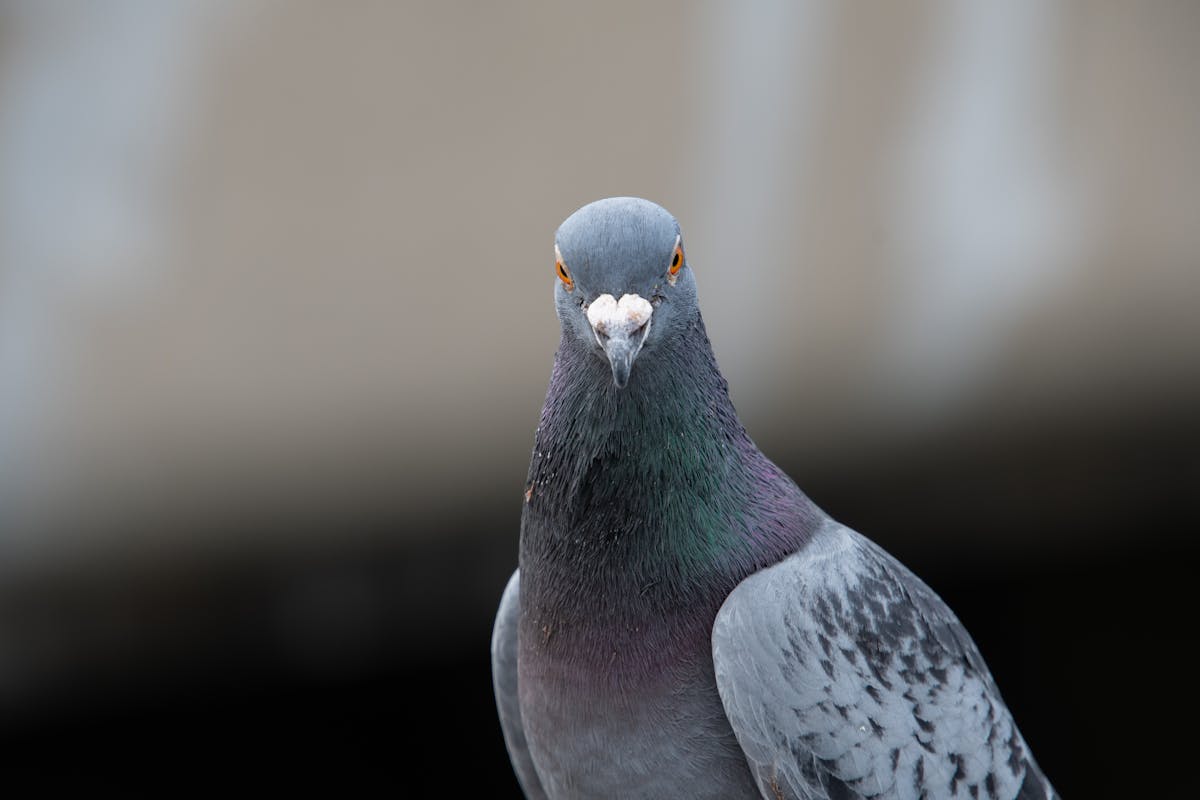
Bird Spike Installation
Professional bird spike installation for ledges, rooflines, signs, and parapets. Stainless steel spikes provide permanent, humane deterrence for any building type.
Learn More
Pigeon Netting
Heavy-duty pigeon netting systems for courtyards, loading docks, canopies, and large openings. UV-stabilized mesh keeps birds out while maintaining aesthetics.
Learn MoreHospital Bird Management in St. Louis Park — Expert Pigeon Control
Learn about professional hospital bird for St. Louis Park, Minnesota property owners.
Free Pigeon Control Tools
Use our interactive tools to assess your pigeon problem and find the right solution.
Infestation Severity Assessment
Answer a series of questions about your pigeon problem to determine the severity level and get recommended next steps for treatment.
Use ToolWarranty Coverage Checker
Check if your existing pigeon control installation is still under warranty and learn about coverage terms and claim procedures.
Use ToolFree Quote Request Tool
Submit your property details and pigeon problem description to receive a free, no-obligation quote from our expert team within 24 hours.
Use ToolService Area Finder
Enter your zip code or city to find the nearest WD Pigeon Solutions service area and get connected with local pigeon control experts.
Use ToolPigeon Species Identifier
Upload a photo or describe the bird you've spotted to identify the species and learn about its behavior, nesting habits, and control methods.
Use ToolDroppings Health Risk Checker
Assess the health risks associated with pigeon droppings at your property based on accumulation level, location, and exposure factors.
Use ToolDid You Know?
Fascinating pigeon facts that might surprise you.
A single pigeon produces about 25 pounds of droppings per year, which can corrode metal and damage building facades.
A flock of just 100 pigeons can produce over 2,400 pounds of droppings in a single year.
Pigeons mate for life and can breed up to 8 times per year, producing 2 eggs each time.
Pigeons can fly at speeds of up to 77.6 mph, making them one of the fastest birds in the world.
Pigeon droppings are highly acidic (pH 3-4.5) and can eat through car paint, concrete, and roofing materials.
Pigeons can recognize all 26 letters of the English alphabet and can even be trained to distinguish between paintings by Monet and Picasso.
Hospital Bird Management FAQ — St. Louis Park, Minnesota
Find answers to common questions about our pigeon control services.
Hospital Bird Management Near St. Louis Park
Hospital Bird is also available throughout Minnesota. We connect you with providers near your location.
How It Works
Getting pigeon-free is easy. Just three simple steps.
Contact Us
Call us, fill out our form, or chat online. Describe your pigeon problem and we'll listen carefully.
Get Free Quote
We'll assess your situation and provide a detailed, no-obligation quote — completely free.
Schedule Service
Pick a time that works for you. Our licensed professionals will handle the rest — guaranteed.
Common Pigeon Infestations
Identify your pigeon problem and learn about effective solutions.
 Critical
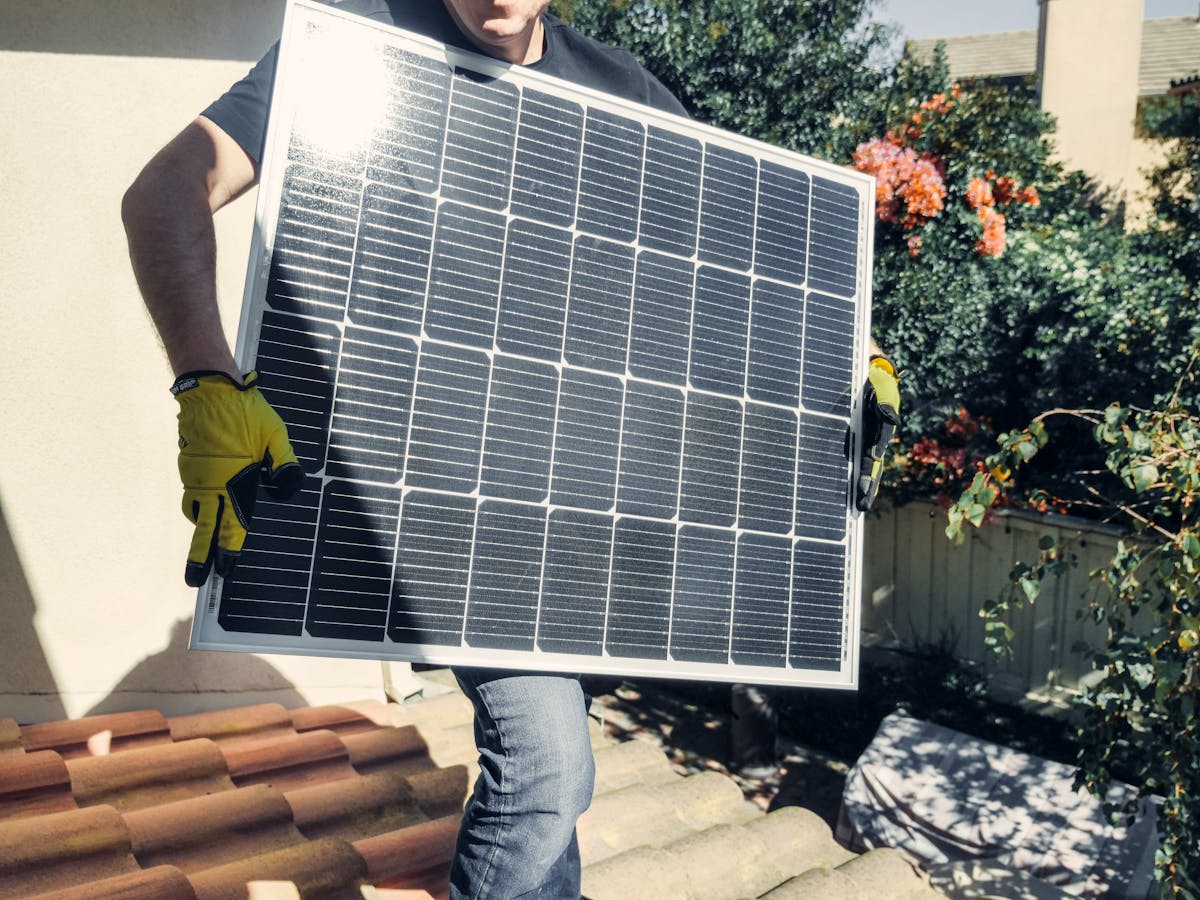
Solar Panel Infestations
Pigeons nest under solar panels for warmth and shelter, damaging wiring, reducing energy output by up to 30%, and voiding manufacturer warranties.
Learn More Critical
Warehouse & Commercial Infestations
Large commercial spaces attract massive pigeon flocks. Droppings contaminate inventory, create slip hazards, and can trigger health code violations and costly fines.
Learn More High
HighHVAC & Ductwork Nesting
Pigeons nesting near HVAC systems spread diseases through ventilation, clog filters, and cause expensive equipment failures and indoor air quality problems.
Learn More Medium
Balcony & Patio Invasion
Pigeons roosting on balconies and patios leave droppings, feathers, and nesting debris that create unsanitary conditions and make outdoor spaces unusable.
Learn MoreHospital Bird Management Resources for St. Louis Park
Everything you need to make an informed decision about hospital bird in St. Louis Park, Minnesota.
All St. Louis Park Pigeon Control
Complete pigeon management services in St. Louis Park, MN.
Hospital Bird Management Overview
Learn everything about our professional hospital bird management solutions.
All Minnesota Services
Browse all pigeon control service locations in Minnesota.
Free Pigeon Control Tools
Use our interactive calculators and cost estimators.
Pigeon Prevention Guide
Expert tips for keeping pigeons away permanently.
Customer Reviews
Read what property owners across the US say about our work.
Hospital Bird Management in Lakeville
Professional hospital bird services in Lakeville, Minnesota.
Hospital Bird Management in Duluth
Professional hospital bird services in Duluth, Minnesota.
Hospital Bird Management in Rochester
Professional hospital bird services in Rochester, Minnesota.
DIY vs. Professional Pigeon Control in St. Louis Parkhospital-bird-management
| DIY Method | Effectiveness | Limitation |
|---|---|---|
| Bird gel or sticky repellent | Mildly effective on flat ledges | Collects dust and debris quickly, loses stickiness, and can trap small songbirds |
| Sealing individual entry points | Effective for specific openings | Pigeons find alternative entry points without comprehensive exclusion |
| Water sprinklers or motion sprays | Some short-term deterrence | Not practical for rooftops or upper ledges; water waste and maintenance cost |
| Removing food sources | Helpful as part of a broader plan | Urban environments provide too many alternative food sources for this alone |
| Visual deterrents (fake owls, reflective tape) | Temporarily effective for 1-2 weeks | Pigeons quickly habituate and ignore them |
Why Hire a Professional?
- Comprehensive property assessment identifies all roosting and nesting sites
- Commercial-grade deterrent products last years, not weeks
- Proper installation ensures spikes, netting, and exclusion devices actually work
- Follow-up monitoring ensures pigeons do not relocate to other parts of your property
- Trained technicians understand flock behavior and seasonal breeding patterns
- Licensed and insured protection for your St. Louis Parkhospital-bird-management property
Pigeon Control Cost Guide for St. Louis Parkhospital-bird-management
Pricing depends on the scope of work needed. We provide transparent, itemized quotes after a complimentary property inspection so there are no surprises.
| Service | Pricing | Key Factors |
|---|---|---|
| Pigeon trapping and removal | Varies by scope | Number of pigeons, duration of trapping program, follow-up visits |
| Solar panel protection | Varies by system size | Number of panels, roof type, critter guard material |
| Ledge modification and slope panels | Varies by linear footage | Material (metal vs. PVC), angle of slope, number of ledges treated |
| Ongoing maintenance program | Monthly or quarterly retainer | Property size, severity history, number of deterrent systems maintained |
| Initial inspection and assessment | Usually free | Most professional companies offer complimentary inspections |
| Dropping cleanup and sanitization | Varies by area and accumulation | Square footage, depth of accumulation, accessibility, disposal requirements |
| Electric shock track installation | Varies by linear footage | Track length, number of rows, voltage system, height of installation |
Other Pigeon Control Services in St. Louis Park
Explore additional pigeon control services available in St. Louis Park, Minnesota:
Ready for Professional Hospital Bird Management in St. Louis Park?
Get your free, no-obligation quote. We connect you with pigeon control providers serving St. Louis Park.