Capitol Hill, Washington, District of Columbia professional pigeon control and bird removal services. WD Pigeon Solutions provides hyperlocal pigeon deterrent installation, bird exclusion, dropping cleanup, and prevention programs in the Capitol Hill neighborhood of Washington, District of Columbia. Connect with vetted local providers for a free assessment.
Pigeon Control in Capitol Hill, Washington
Hyperlocal pigeon removal and exclusion for Capitol Hill property owners — humane, permanent, and guaranteed.
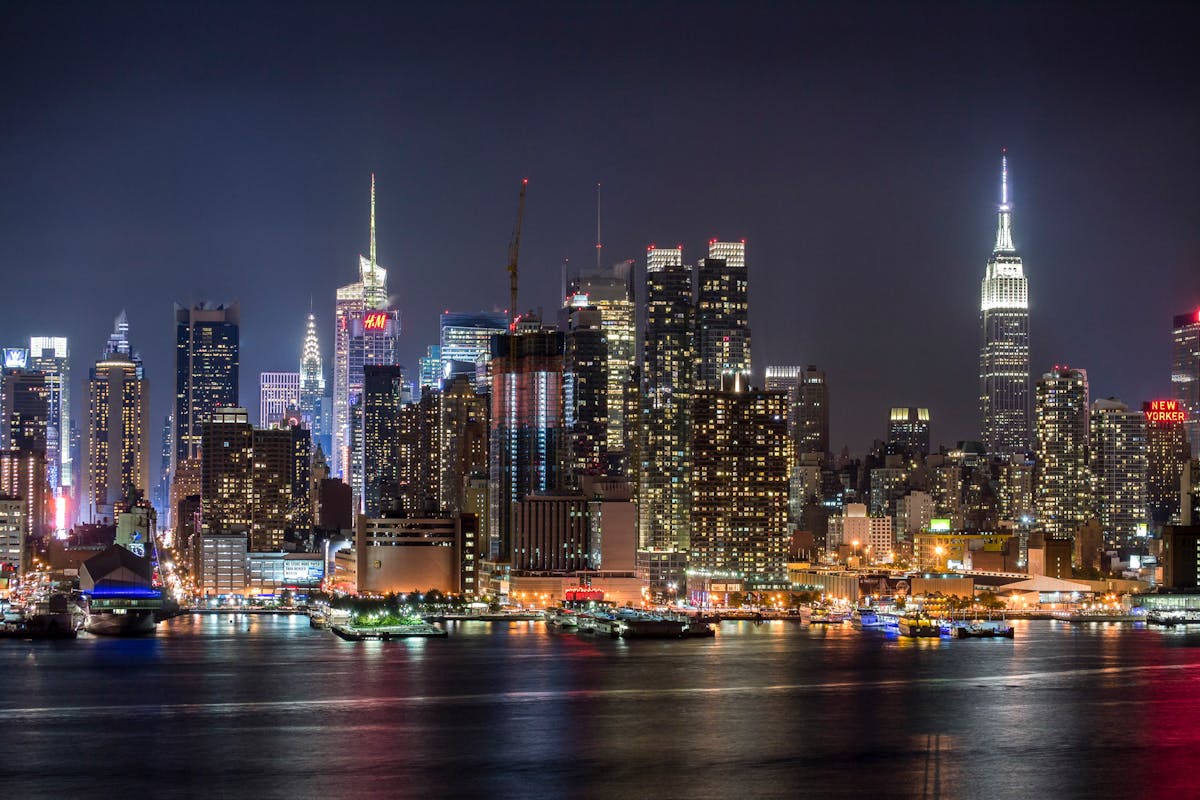
Last updated: January 18, 2026 · Content reviewed for accuracy
Pigeon Control Experts Serving Capitol Hill
The Capitol Hill neighborhood in Washington has its own distinct pigeon challenges, shaped by the area's building stock and local activity patterns.
In Capitol Hill, Washington, crews coordinate with property managers and HOAs to implement area-wide pigeon management that prevents birds from simply relocating to a neighboring building.
In Washington, pigeon-contaminated HVAC intakes can distribute fungal spores throughout entire buildings, increasing the risk of respiratory infections among employees and residents.
In Washington, combining physical barriers with regular professional inspections delivers the most cost-effective pigeon prevention, avoiding the cycle of infestation, cleanup, and re-infestation.
WD Pigeon Solutions serves Washington with fast, humane pigeon removal—contact us today to get started with a free on-site consultation.

Top Pigeon Hotspots in Capitol Hill
These locations in Capitol Hill see the highest pigeon activity — and the most urgent need for professional control.
Capitol Hill Commercial storefronts Zone
Commercial storefronts in Capitol Hill are frequent pigeon hotspots. Colonies establish around underground tunnel entrances, sustained by nearby transit station food kiosks. These sites require targeted exclusion to prevent recurring infestations.
Capitol Hill Convention centers Zone
Convention centers in Capitol Hill are frequent pigeon hotspots. Colonies establish around window ledges and AC units, sustained by nearby restaurant waste and dumpsters. These sites require targeted exclusion to prevent recurring infestations.
Capitol Hill Food Service & Dining Areas
Restaurants and food vendors in Capitol Hill generate waste that sustains pigeon populations. Entertainment district waste bins create feeding stations that anchor flocks to surrounding buildings.
Capitol Hill Covered & Sheltered Structures
Covered walkways, parking structures, and overhangs across Capitol Hill provide weather-protected roosting. Pigeons exploit decorative architectural ledges to establish sheltered nesting sites out of public view.
Capitol Hill Aging & Deteriorating Buildings
Capitol Hill's aging building stock features deteriorating facades and structural gaps that provide nesting cavities. Underground tunnel entrances are among the hardest pigeon entry points to seal without specialist knowledge.
Capitol Hill Transit stations Zone
Transit stations in Capitol Hill are frequent pigeon hotspots. Colonies establish around decorative architectural ledges, sustained by nearby entertainment district waste bins. These sites require targeted exclusion to prevent recurring infestations.
Understanding Capitol Hill's Pigeon Problem
The Capitol Hill Building Environment
The layout of Capitol Hill concentrates pigeon activity in predictable ways. Parking garages sit alongside transit stations, and the resulting mix of loading docks and open ledge space draws flocks to specific corridors within the area.
In Washington's urban heat-island climate with warm concrete corridors, pigeons breeding through March through September exploit transit station platform canopies across Capitol Hill's commercial storefronts as preferred colony sites. These locations offer protection from weather and predators while keeping food sources within easy flight range.
Proactive exclusion — sealing fire escapes and installing deterrent systems before colonies reach full size — is consistently more cost-effective than reactive cleanups. Provider assessments in Capitol Hill identify the highest-priority entry points on each property.
Pigeon Control Services Available in Capitol Hill
Every service is available to Capitol Hill property owners — residential, commercial, and industrial.
View all 51 services
Why Capitol Hill Property Owners Trust WD Pigeon Solutions
Why Capitol Hill Property Owners Use WD Pigeon Solutions
If pigeons have settled on your Capitol Hill property, you need providers that know how flocks behave in this part of Washington — where they nest, what draws them, and which exclusion methods work on the buildings here. That's what network providers deliver:
- Prompt scheduling — many providers are available quickly to assess your Washington property
- Commercial-grade materials built to withstand Washington's urban heat-island climate with warm concrete corridors, far beyond what hardware stores carry
- Site-specific treatments — every Capitol Hill property gets a plan based on its structure and surroundings
- Capitol Hill-experienced technicians who understand the traffic patterns, building layouts, and flock dynamics in this area
- Transparent pricing — detailed written quotes; confirm with your provider
- Vetted providers — confirm credentials and coverage directly with your provider
- Ask about follow-up policies — confirm what happens if pigeons return to a treated zone
Network providers have resolved pigeon issues on residential high-rises, restaurants and cafes, and many other Washington property types. That depth of experience means they know what works in Capitol Hill before arriving on site.
What Our Customers Say
Trusted by thousands of homeowners and businesses
“Great referral experience. I described my warehouse pigeon problem, and within 24 hours I was speaking with a commercial bird control provider who understood the scale of the project. The referral was spot on for what I needed.”
Cynthia Park
Denver, CO · Warehouse Bird Control
“WD Pigeon Solutions connected me with a local provider who installed solar panel mesh guards. The process was smooth — submitted my info and had a quote within hours. The provider they matched me with was professional and thorough.”
Mark Reynolds
Phoenix, AZ · Solar Panel Protection
“Good experience overall. The provider I was matched with did quality work on our balcony netting. The only hiccup was some back-and-forth on scheduling, but once they arrived, the installation was quick and the netting is nearly invisible.”
Patricia Winters
Seattle, WA · Balcony Pigeon Proofing
“The matching was fast and the provider quotes were competitive. I ended up getting quotes from two providers through the service and chose the one with the better warranty. It's helpful to have options without doing the legwork myself.”
Derek Lin
Portland, OR · Gutter Guard Installation
“I had no idea where to find a reliable pigeon control company. WD Pigeon Solutions matched me with a local specialist who did a great job sealing up my attic. Saved me hours of researching and calling around.”
Linda Foster
Austin, TX · Attic Sealing
“I was skeptical about using a matching service, but it turned out to be the easiest part of the whole process. They asked the right questions upfront so the provider arrived already knowing what to expect. The exclusion system has held up beautifully through two seasons now.”
Martha Jennings
Nashville, TN · Structural Exclusion
“As a restaurant owner, I needed someone fast for a health inspection issue. WD Pigeon Solutions matched me with a provider who came out the next day. The service saved me from a potential violation. Highly recommend using a matching service instead of cold-calling companies.”
Thomas Hernandez
Miami, FL · Restaurant Pigeon Solutions
“The provider they matched us with did solid work on our loading dock deterrents, but communication between referral and install took a few days longer than I'd hoped. The end result was good — just wish the handoff was smoother. Would still use the service again.”
Gloria Simmons
Tampa, FL · Loading Dock Bird Control
“Our church had pigeons in the bell tower for years. Several companies gave us quotes but none seemed right. The provider WD Pigeon Solutions referred specialized in historic buildings and knew exactly how to protect the original structure. Bless them.”
Susan Talbot
Charlotte, NC · Church Steeple Protection
“I manage a portfolio of properties and was tired of vetting pigeon control companies one by one. Now I use WD Pigeon Solutions for every property — they connect me with vetted providers and handle the initial screening. Streamlined my workflow significantly.”
James Okafor
Oakland, CA · Multi-Property Management
“The matching service worked well. Took about a day to get connected, and the provider they sent was knowledgeable. Only giving 4 stars because the provider's availability was tighter than I expected — had to wait a week for the install.”
Raymond Okonkwo
Chicago, IL · Bird Spikes Installation
“Our hotel's rooftop HVAC units were a pigeon magnet. WD Pigeon Solutions connected us with a commercial provider who installed screening around all 12 units over a weekend so there was zero guest disruption. Really appreciated how quickly they found someone who could handle the scale.”
Vikram Patel
San Diego, CA · AC Unit Protection
Common Pigeon Problems in Capitol Hill and Washington
The combination of convention centers, government office complexes, and nearby outdoor dining areas makes Washington particularly hospitable to growing pigeon colonies.
HVAC systems on Washington rooftops that are contaminated with pigeon waste operate less efficiently and can spread airborne pathogens through ductwork into occupied spaces.
Occupational health studies confirm that prolonged exposure to pigeon waste in Washington buildings can lead to allergic alveolitis, commonly known as pigeon breeder's lung, even in people who do not handle birds directly.
Washington residents should watch for feathers near air vents, white-streaked stains below rooflines, and groups of pigeons returning to the same perch at dusk—all indicators of an established colony.
Pigeon nesting debris clogs drains and gutters on residential high-rises and entertainment venues, leading to water damage that far exceeds the cost of prevention.
The urban heat-island climate with warm concrete corridors that defines Washington means pigeon control should ideally begin before March through September, when prevention costs far less than reactive cleanup.
Seasonal Pigeon Activity in Capitol Hill
Understanding when pigeon pressure peaks in Capitol Hill helps time your control efforts.
Spring (Mar–May)
40–70°FAggressive nesting begins. Pairs claim ledges and build nests from debris. Population growth accelerates rapidly.
Recommendation
Pair spring exclusion work with a thorough property audit to catch damage from winter freezes.
Summer (Jun–Aug)
70–90°FPeak breeding with multiple clutches. Fledglings join flocks. Outdoor dining waste sustains rapid growth.
Recommendation
Have your maintenance crew flag new roost sites weekly so a provider can respond before colonies set in.
Fall (Sep–Nov)
40–65°FFlocks consolidate. Young birds seek permanent roosting sites in buildings for the coming winter.
Recommendation
October is ideal for a full system audit — re-tension all netting and verify spike adhesion before freezes.
Winter (Dec–Feb)
15–40°FPigeons retreat into heated structures, parking garages, and transit shelters. Breeding slows but doesn't stop.
Recommendation
Check stairwells, mechanical rooms, and loading docks monthly — winter roosts concentrate damage in these areas.
Pigeon Facts Every Capitol Hill Property Owner Should Know
What Capitol Hill Property Owners Should Know About Pigeons
- Pigeons are linked to over 60 transmissible pathogens, and dried droppings release airborne fungal spores — a serious consideration for commercial buildings and residential high-rises across Capitol Hill
- Washington's urban heat-island climate with warm concrete corridors supports pigeon breeding through March through September, meaning Capitol Hill properties are under sustained pressure without seasonal relief
- With a pH of 3–4.5, pigeon droppings corrode metal, pit concrete, and stain masonry — the very materials that define Capitol Hill's high-rise office towers
- One pair of pigeons produces 6–8 offspring per year, each breeding-ready in 6 months. A small colony on a Capitol Hill rooftop can triple in size within 18 months
- Each pigeon drops roughly 25 pounds of waste annually. A flock of 30 means 750 pounds of acidic buildup on your Capitol Hill property every year
- Professional exclusion on apartment complexes typically recoups its cost within several years when measured against ongoing damage repair and cleanup expenses
- Properties with visible pigeon infestations in Capitol Hill face diminished appeal and higher maintenance overhead compared to treated neighbors
- While pigeons are not protected under the Migratory Bird Treaty Act, humane removal is recommended and sometimes required locally. Providers ensure every job meets applicable regulations
Our Services
Professional pigeon and bird control solutions tailored to your property and needs.
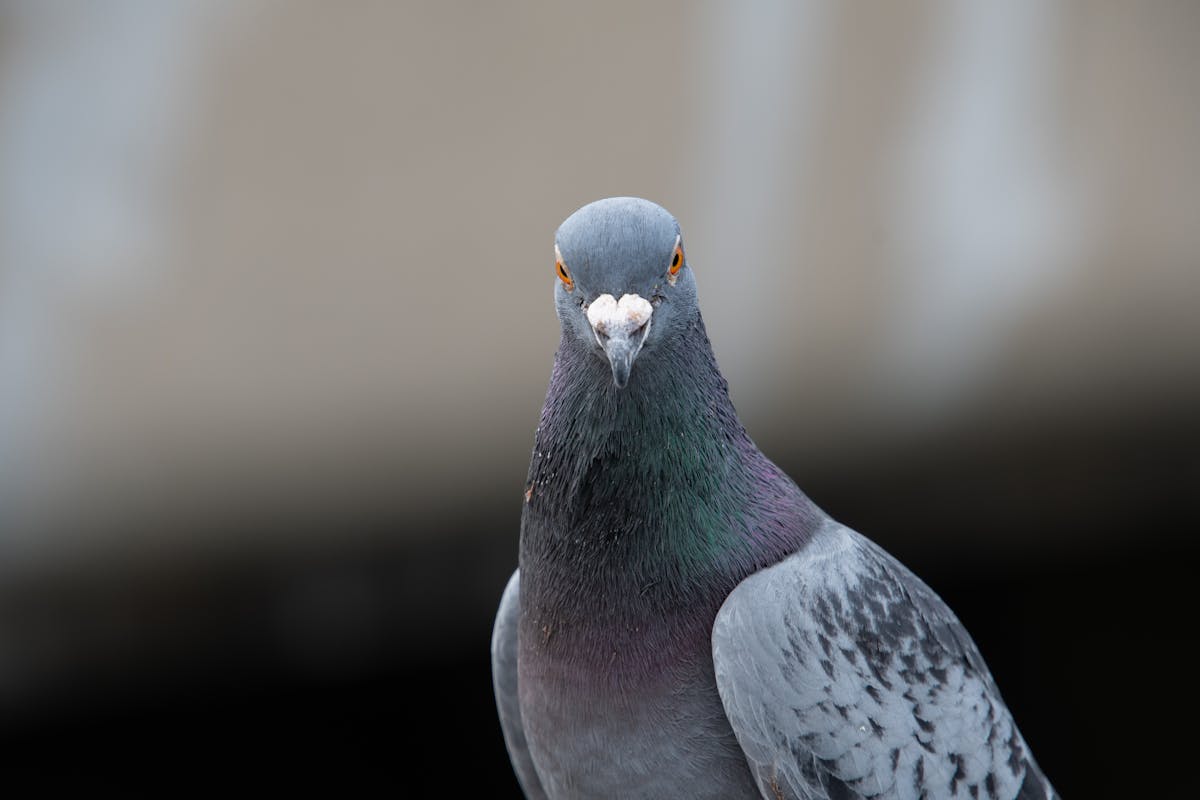
Bird Spike Installation
Professional bird spike installation for ledges, rooflines, signs, and parapets. Stainless steel spikes provide permanent, humane deterrence for any building type.
Learn More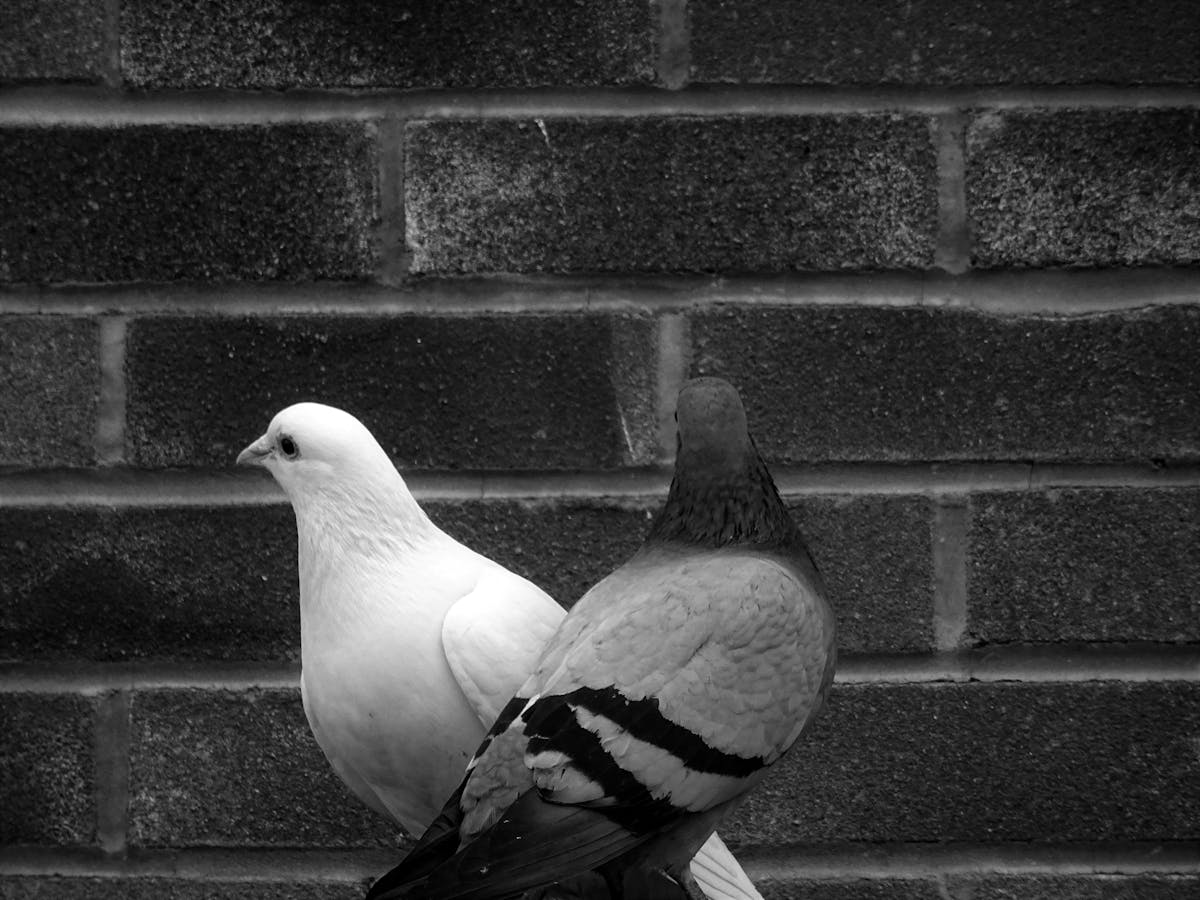
Pigeon Control
Complete pigeon removal and population management for residential and commercial properties. We use humane, proven methods to eliminate pigeon problems for good.
Learn More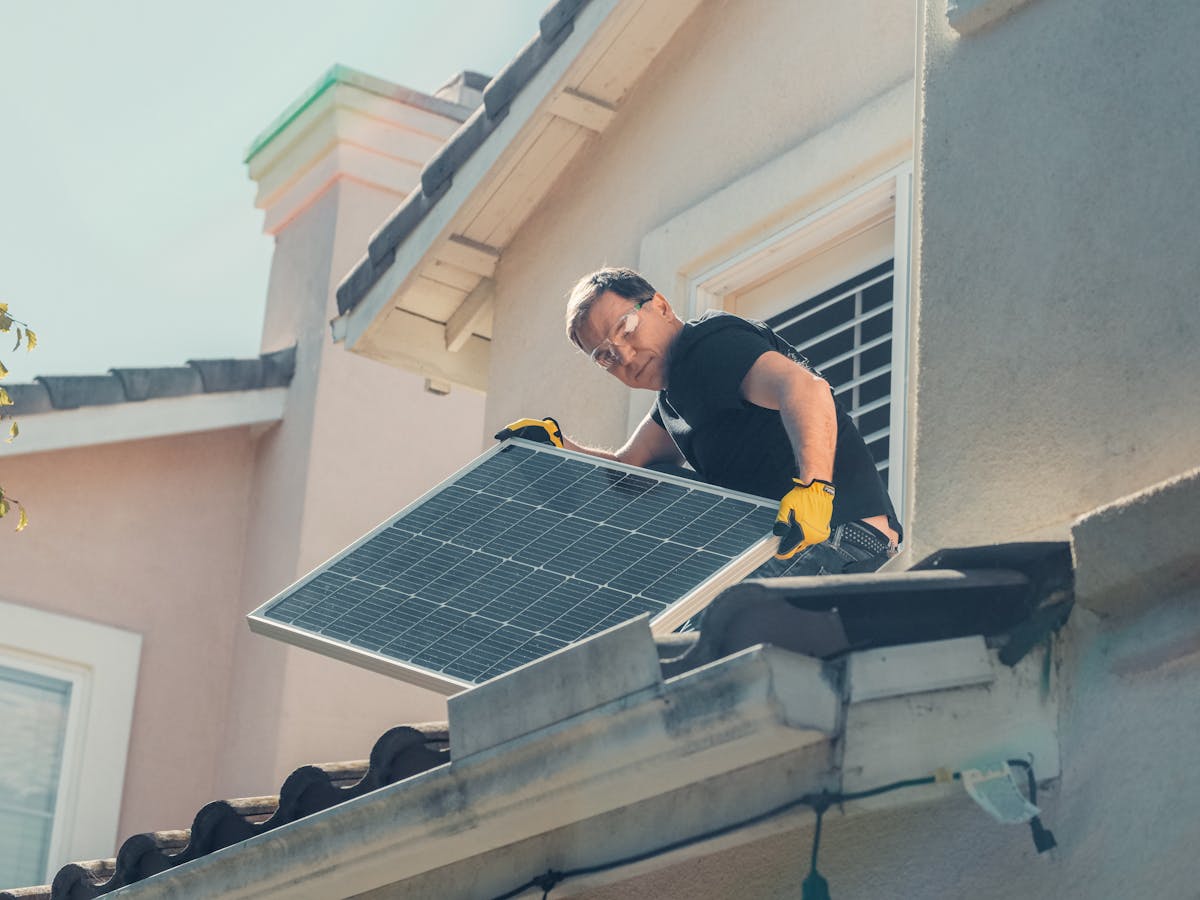
Solar Panel Protection
Protect your solar investment with critter guard mesh that prevents pigeon nesting under panels. Preserves energy output and manufacturer warranties.
Learn MorePigeon Control in Capitol Hill, Washington
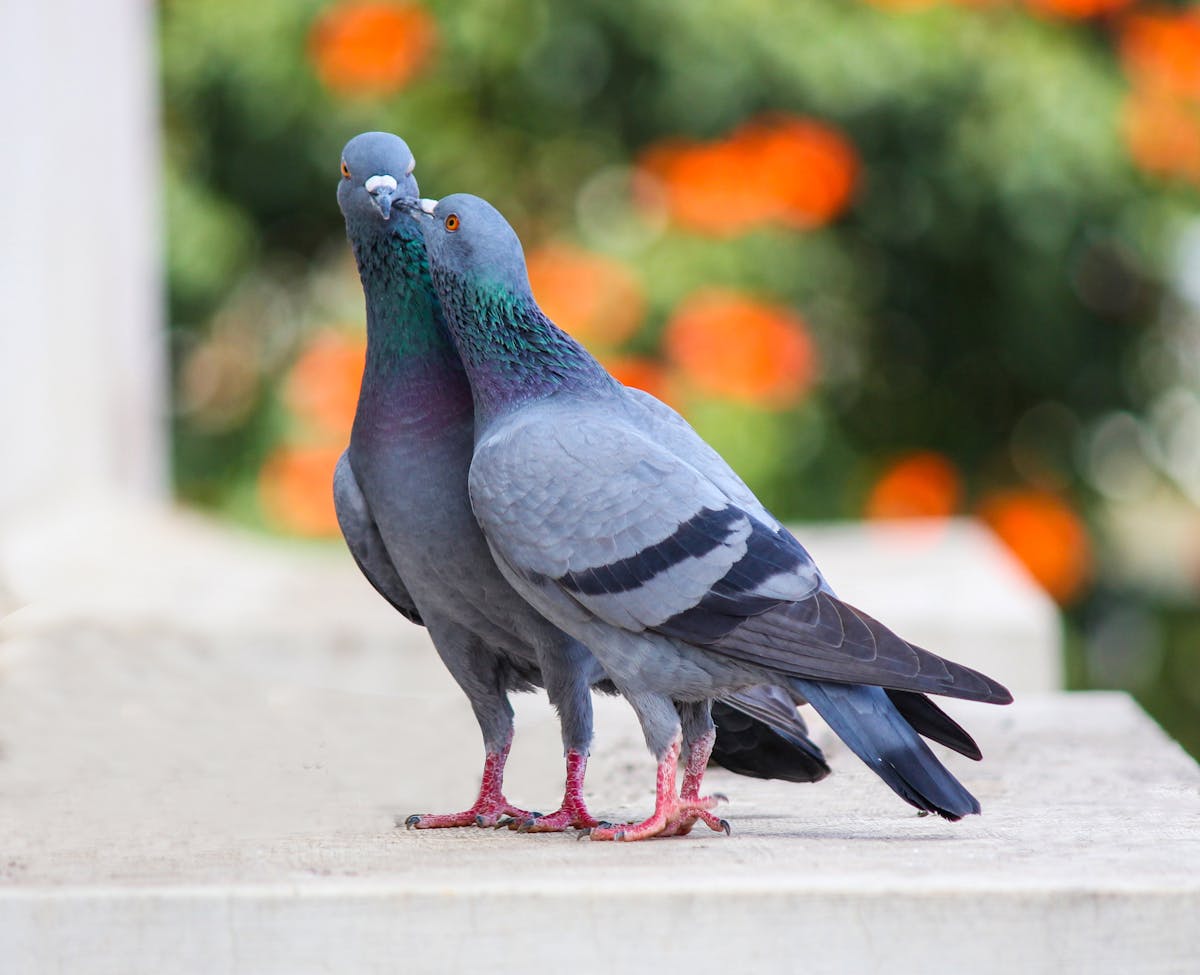
See how WD Pigeon Solutions eliminates pigeon problems for Capitol Hill property owners.
Free Pigeon Control Tools
Use our interactive tools to assess your pigeon problem and find the right solution.
Infestation Severity Assessment
Answer a series of questions about your pigeon problem to determine the severity level and get recommended next steps for treatment.
Use ToolProperty Risk Evaluator
Evaluate your property's vulnerability to pigeon infestation based on building type, location, nearby food sources, and structural features.
Use ToolROI Calculator for Pigeon Prevention
Calculate the return on investment for pigeon prevention measures by comparing upfront costs against ongoing damage and cleanup expenses.
Use ToolService Area Finder
Enter your zip code or city to find the nearest WD Pigeon Solutions service area and get connected with local pigeon control experts.
Use ToolPigeon Species Identifier
Upload a photo or describe the bird you've spotted to identify the species and learn about its behavior, nesting habits, and control methods.
Use ToolDroppings Health Risk Checker
Assess the health risks associated with pigeon droppings at your property based on accumulation level, location, and exposure factors.
Use ToolDid You Know?
Fascinating pigeon facts that might surprise you.
Pigeon droppings carry over 60 transmittable diseases, including histoplasmosis and cryptococcosis.
Pigeons can find their way home from over 1,300 miles away — they were used as message carriers in both World Wars.
Feral pigeon populations can double in just 2 months under ideal conditions.
A flock of just 100 pigeons can produce over 2,400 pounds of droppings in a single year.
A single pigeon produces about 25 pounds of droppings per year, which can corrode metal and damage building facades.
Pigeons can recognize all 26 letters of the English alphabet and can even be trained to distinguish between paintings by Monet and Picasso.
Pigeon Control FAQ — Capitol Hill, Washington
Find answers to common questions about our pigeon control services.
Other Washington Neighborhoods We Serve
We provide pigeon control throughout Washington — including these neighborhoods near Capitol Hill.
How It Works
Getting pigeon-free is easy. Just three simple steps.
Contact Us
Call us, fill out our form, or chat online. Describe your pigeon problem and we'll listen carefully.
Get Free Quote
We'll assess your situation and provide a detailed, no-obligation quote — completely free.
Schedule Service
Pick a time that works for you. Our licensed professionals will handle the rest — guaranteed.
Common Pigeon Infestations
Identify your pigeon problem and learn about effective solutions.
 High
HighRoof & Attic Nesting
Pigeons nesting in roof gaps, attic vents, and under eaves cause structural damage, blocked drainage, and health hazards from accumulated droppings and nesting materials.
Learn More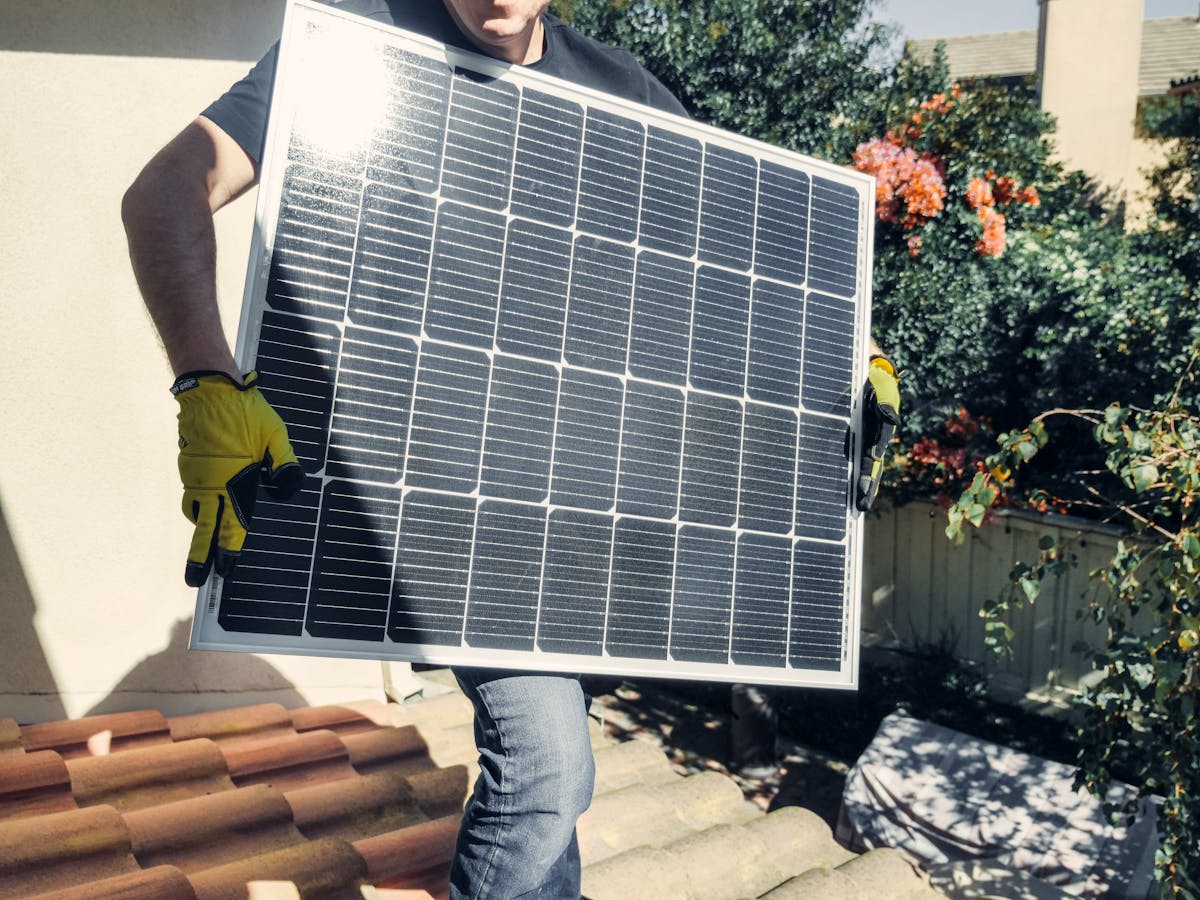 Critical
Solar Panel Infestations
Pigeons nest under solar panels for warmth and shelter, damaging wiring, reducing energy output by up to 30%, and voiding manufacturer warranties.
Learn More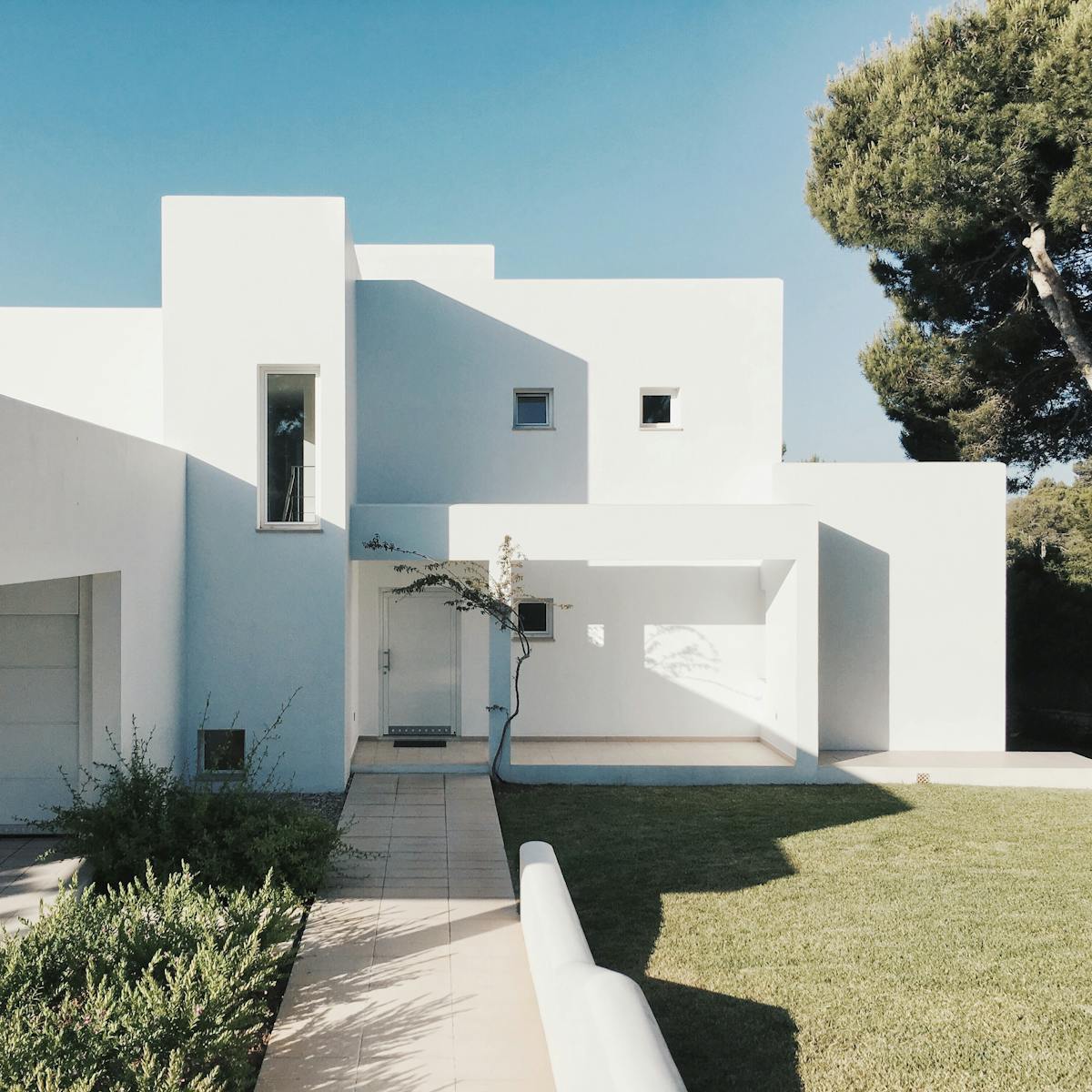 Medium
Balcony & Patio Invasion
Pigeons roosting on balconies and patios leave droppings, feathers, and nesting debris that create unsanitary conditions and make outdoor spaces unusable.
Learn More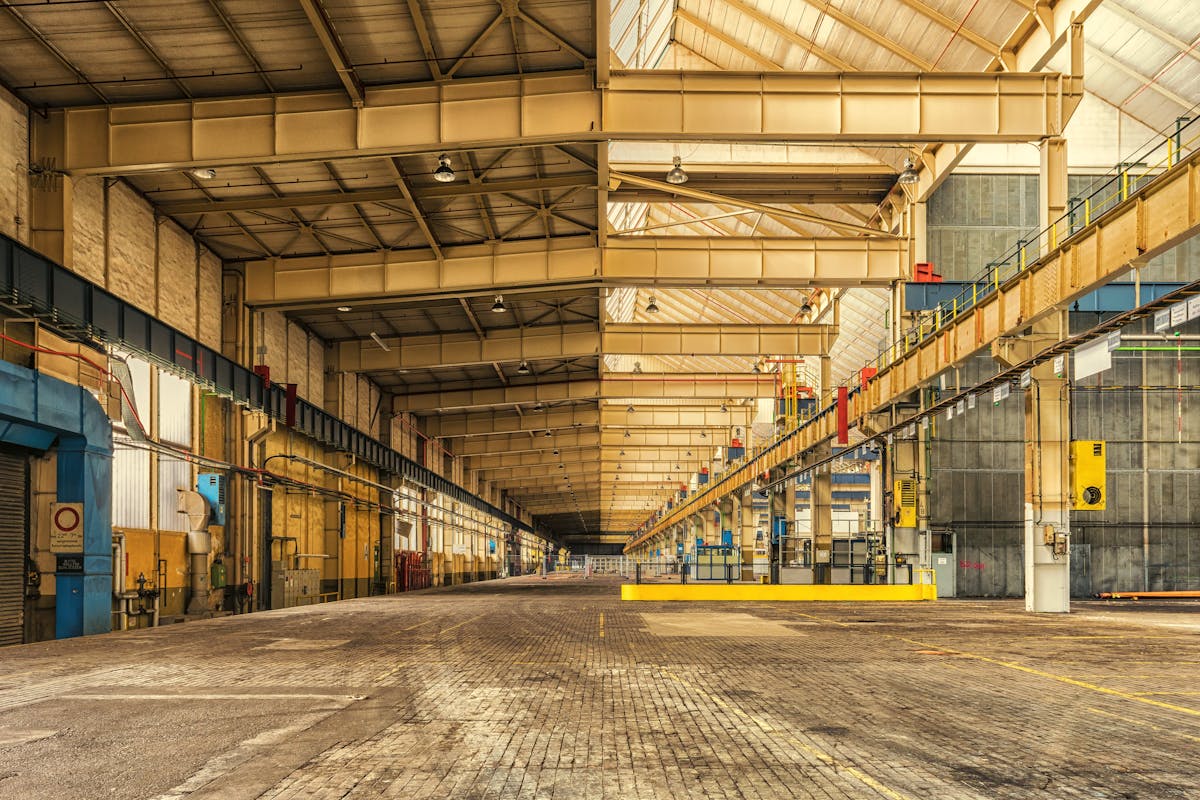 Critical
Warehouse & Commercial Infestations
Large commercial spaces attract massive pigeon flocks. Droppings contaminate inventory, create slip hazards, and can trigger health code violations and costly fines.
Learn MorePigeon Control Resources for Capitol Hill
Everything you need to solve your Capitol Hill pigeon problem.
All Washington Pigeon Control
Complete pigeon management for Washington, DC.
District of Columbia Locations
All cities we serve across District of Columbia.
Bird Spike Installation
Permanent physical deterrents for ledges and rooflines.
Solar Panel Protection
Protect your solar investment from pigeon damage.
Pigeon Removal
Humane trapping and removal for established infestations.
Free Tools & Calculators
Estimate costs and assess your pigeon problem.
Pigeon Prevention Guide
Expert advice for long-term pigeon prevention.
Customer Reviews
See what property owners say about our work.
Pigeon Control in Adams Morgan
Professional pigeon removal in Adams Morgan, Washington.
Pigeon Control in Anacostia
Professional pigeon removal in Anacostia, Washington.
Pigeon Control in Bloomingdale
Professional pigeon removal in Bloomingdale, Washington.
Warning Signs of a Pigeon Problem in Capitol HillWashington
- Groups of pigeons repeatedly returning to the same rooftop or ledge at dusk
- Blocked gutters and drainage systems from nesting debris
- Increased insect activity (mites, ticks, beetles) associated with pigeon nests
- Accumulation of droppings on ledges, windowsills, rooftops, or walkways
- Slip hazards on walkways and loading docks from accumulated droppings
- Persistent cooing sounds, especially in early morning and evening hours
- Staining or corrosion on building surfaces from uric acid in droppings
- Visible damage to rooftop equipment, solar panels, or signage
- White streaking below rooflines or window ledges indicating active roosts above
- Feathers and debris collecting near air intake vents or HVAC systems
Health Risks from Pigeon Infestations in Capitol HillWashington
Pigeon droppings and nests harbor pathogens that pose real health risks. Professional cleanup is strongly recommended.
E. coli infection
Cause: Pigeon droppings carry Escherichia coli strains that contaminate surfaces and water sources
Symptoms: Diarrhea, abdominal cramps, nausea; severe strains can cause kidney complications
Source: CDC — Centers for Disease Control and Prevention
Histoplasmosis
Cause: Inhalation of Histoplasma capsulatum spores found in dried pigeon droppings
Symptoms: Fever, chest pain, cough; can become severe in immunocompromised individuals
Source: CDC — Centers for Disease Control and Prevention
Cryptococcosis
Cause: Exposure to Cryptococcus neoformans fungus commonly found in pigeon droppings
Symptoms: Lung infection that may spread to the nervous system, causing meningitis
Source: CDC — Centers for Disease Control and Prevention
Psittacosis
Cause: Inhalation of Chlamydia psittaci bacteria from dried droppings or feather dust
Symptoms: Pneumonia-like illness with fever, headache, and dry cough
Source: CDC — Centers for Disease Control and Prevention
Ectoparasite infestations
Cause: Pigeon mites, ticks, and bird bugs that can migrate into living spaces from nearby nests
Symptoms: Skin irritation, bites; potential secondary infections
Source: University extension entomology departments
Health information sourced from CDC and WHO public health guidelines. Consult a healthcare professional for medical advice.
Ready to Solve Your Capitol Hill Pigeon Problem?
Connect with Washington's trusted pigeon control providers.